Your Ultimate Guide to Car Rental Spain for an Epic Trip
car rental Spain

Your Ultimate Guide to Car Rental Spain for an Epic Trip

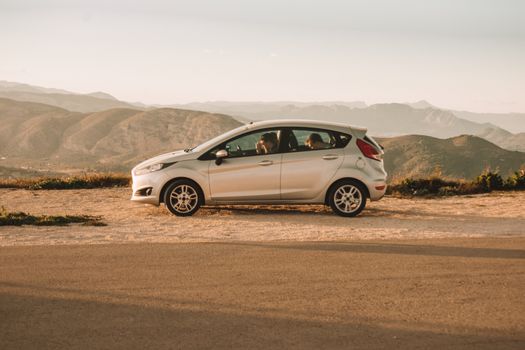
A parked car beside a road with stunning mountainous backdrop in Spain, capturing a serene and picturesque road trip moment.Photo: Bert Christiaens / Pexels

Your Ultimate Guide to Car Rental Spain for an Epic Trip

Discover the freedom of exploring Spain at your own pace with our comprehensive, reader-first guide to car rentals.

Find Your Perfect Car

Key Takeaways

  • ✓ Minimum age for car rental in Spain is typically 21, with surcharges for drivers under 25.
  • ✓ An International Driving Permit (IDP) is recommended for non-EU drivers, especially for police checks.
  • ✓ Automatic cars are less common and often more expensive to rent than manual transmissions.
  • ✓ Toll roads (autopistas) are prevalent, especially around major cities, and can be paid with cash or card.

How It Works

1
Choose Your Vehicle & Dates

Decide on the car size and type that fits your travel needs and budget. Select your pick-up and drop-off locations and desired rental duration.

2
Understand Insurance Options

Review the included insurance and consider additional coverage like Super Collision Damage Waiver (SCDW) or Personal Accident Insurance (PAI) for peace of mind. Check if your credit card offers rental car insurance.

3
Book & Confirm

Book your chosen vehicle online, often securing better rates. Ensure you receive a clear confirmation email detailing all costs, pick-up instructions, and necessary documents.

4
Pick Up Your Car & Drive

Present your driving license, IDP (if required), passport, and credit card at the rental desk. Inspect the car thoroughly for existing damage before driving off.

Why Opt for Car Rental Spain? Unlocking Freedom and Flexibility

A scenic highway stretches across the vibrant Spanish countryside with mountains in the backdrop.Photo: Philip Ackermann / Pexels
Exploring Spain by car offers an unparalleled sense of freedom and flexibility that public transport simply cannot match. While Spain boasts an excellent network of high-speed trains (AVE) connecting major cities and comprehensive bus services, these options often restrict you to well-trodden paths and fixed schedules. Imagine spontaneously deciding to detour to a quaint whitewashed village nestled in the Andalusian hills, or pulling over at a breathtaking viewpoint along the Costa Brava that isn't accessible by train or bus. This is the true magic of car rental in Spain. It transforms your trip from a structured itinerary into an adventure of discovery. You can visit remote beaches, explore national parks at your leisure, and delve into the rich tapestry of Spain's diverse landscapes and cultures, from the rugged Picos de Europa to the sun-drenched vineyards of La Rioja, all on your own terms. Furthermore, having a car allows you to manage your luggage with ease, especially if you're traveling with family or planning an extended trip. No more lugging heavy suitcases through train stations or bus terminals. Your rental car becomes your personal mobile storage unit, offering convenience and comfort. It also opens up possibilities for staying in charming rural accommodations (casas rurales) that are often off the main public transport routes but offer authentic Spanish experiences. For those planning a multi-city tour or a deep dive into a specific region, a rental car can often be more time-efficient and, surprisingly, more cost-effective than purchasing multiple train tickets, especially if traveling in a group. The ability to stop for impromptu picnics, explore local markets, and visit lesser-known attractions makes car rental an indispensable tool for an immersive Spanish journey. It's not just about getting from A to B; it's about the journey itself, the unexpected discoveries, and the memories forged on the open road. From the bustling streets of Madrid to the serene landscapes of Extremadura, your rental car is your ticket to a truly personalized Spanish adventure. Consider the ease of visiting multiple wineries in La Rioja without worrying about taxi fares, or exploring the Roman ruins of Mérida at your own pace. The opportunities are endless when you have the keys to your own Spanish adventure. Choosing car rental in Spain isn't just about transport; it's about curating your ideal travel experience, free from constraints and full of possibilities.

Navigating the Rental Process: Tips for Seamless Car Hire in Spain

Luxury cars lined up at an outdoor dealership, showcasing sleek designs.Photo: Pixabay / Pexels
Renting a car in Spain can be straightforward if you're prepared. The first step involves understanding the requirements. You'll need a valid driving license from your home country, held for at least one or two years (depending on the rental company). For non-EU citizens, an International Driving Permit (IDP) is highly recommended, and in some cases, legally required. While many rental agencies might not ask for it at pick-up, Spanish traffic police certainly can during a roadside check, and failure to produce one could result in a fine. Always carry your passport alongside your license and IDP. A major credit card in the main driver's name is essential for the security deposit; debit cards are generally not accepted for this purpose. Booking in advance, especially during peak season (summer, Easter, Christmas), is crucial. Not only does it secure better rates, but it also ensures availability of your preferred vehicle type. Use reputable comparison websites to scout for deals, but always check the rental company's direct website for potential exclusive offers or clearer terms. Pay close attention to what's included in the price: unlimited mileage, basic insurance (usually Third-Party Liability and Collision Damage Waiver with an excess), and VAT. Hidden fees can quickly inflate the cost, so scrutinize the terms for fuel policies (full-to-full is generally the fairest), additional driver fees, out-of-hours pick-up/drop-off charges, and one-way rental fees if you plan to return the car in a different location. Upon arrival at the rental desk, take your time. Don't feel rushed to sign anything until you've understood all the charges and terms. Inspect the car thoroughly before driving off. Take photos or a video of any existing scratches, dents, or damage, no matter how minor, and ensure they are noted on the rental agreement. This step is vital to avoid being charged for pre-existing damage upon return. Familiarize yourself with the car's controls, especially if you're used to driving on the opposite side of the road or driving an automatic for the first time. Ask about roadside assistance details. When returning the car, aim to do so during opening hours so a staff member can check the vehicle with you, providing an immediate sign-off. If an out-of-hours drop-off is unavoidable, take comprehensive photos of the car's exterior and interior as proof of its condition. A little preparation goes a long way in ensuring a smooth and stress-free car rental experience in Spain.

Driving in Spain: Rules, Roads, and Essential Local Knowledge

Cars travel on a highway through a scenic mountain landscape under cloudy skies.Photo: Eu Aragoneses / Pexels
Driving in Spain offers a fantastic way to experience the country, but it comes with its own set of rules and nuances that even experienced drivers should be aware of. Firstly, Spain drives on the right-hand side of the road, and overtaking is on the left. Seatbelts are mandatory for all occupants, front and rear. Speed limits are strictly enforced, often by hidden cameras (radar), and fines can be substantial. General speed limits are 120 km/h on motorways (autopistas), 90 km/h on conventional roads (carreteras convencionales), and 50 km/h (or sometimes 30 km/h in residential zones) in urban areas. Always look out for speed limit signs, as they can vary. Roundabouts are extremely common and can be a source of confusion. The general rule is that vehicles already on the roundabout have priority, and you should indicate when exiting. Pay close attention to lane discipline within roundabouts. Parking in Spanish cities, especially older ones, can be challenging and expensive. Look for underground parking garages (parking subterráneo) which are usually well-signposted. Blue zones (zona azul) indicate paid parking, often with time limits, while green zones (zona verde) are usually for residents with restricted times for non-residents. Yellow lines on the curb mean no parking at all. Incorrectly parked cars are frequently towed, incurring significant fees. Spain has an excellent network of motorways (autopistas) and dual carriageways (autovías). Autopistas are often toll roads (peaje), identifiable by the 'AP' prefix (e.g., AP-7), while autovías are toll-free (e.g., A-7). Toll payments can be made with cash, credit card, or via an electronic tag system (Telepeaje/Via-T), which is particularly useful if you're doing a lot of motorway driving. Be aware of the 'Stop & Go' lanes at tolls for manual payment and 'Via-T' lanes for electronic payment. Essential items to carry in your car include a reflective safety vest (one for each occupant), a warning triangle (two are recommended, though one is legally sufficient for foreign-registered vehicles), and a spare tire or puncture repair kit. While not always enforced for tourists, having these can prevent issues. Headlights must be used in tunnels. The legal blood alcohol limit is lower than in some other countries (0.5 g/L, 0.3 g/L for new drivers), so it's always best to avoid drinking any alcohol if you're driving. Familiarity with these local driving rules and customs will ensure a safer and more enjoyable car rental experience in Spain.

Common Mistakes and How to Avoid Them When Renting a Car in Spain

Even seasoned travelers can fall prey to common pitfalls when renting a car in Spain. Being aware of these can save you time, money, and stress. **1. Not Understanding Fuel Policies:** Many rental companies offer a 'full-to-empty' policy, where you pay for a full tank upfront and return it empty. This often includes a service charge and the fuel itself can be overpriced. Opt for 'full-to-full' whenever possible, where you pick up with a full tank and return it full. This is almost always the most cost-effective option. If you opt for full-to-empty, try to return the tank as close to empty as possible to get your money's worth. **2. Skipping Comprehensive Insurance:** While basic CDW (Collision Damage Waiver) is usually included, it comes with a high excess (deductible). Many travelers choose to rely on their credit card insurance or purchase third-party excess insurance, which can be significantly cheaper than the rental company's Super CDW. However, ensure you understand what's covered. The rental company might still block a large deposit on your credit card even if you have external insurance. **3. Ignoring Parking Restrictions:** As mentioned, parking fines and towing are common. Always check signs carefully. 'Zona Azul' and 'Zona Verde' require payment, often via a machine or app. Yellow lines mean no parking. Never park in spaces reserved for residents or disabled persons unless you have the appropriate permit. **4. Not Inspecting the Vehicle Thoroughly:** This is perhaps the most crucial step. Before leaving the rental lot, walk around the car with a rental agent and meticulously document every scratch, dent, or imperfection, no matter how small. Take photos or a video. Ensure all existing damage is noted on your rental agreement. This prevents disputes and charges for damage you didn't cause upon return. **5. Underestimating Toll Costs:** Toll roads in Spain can add up, especially if you're covering long distances or using them frequently around major cities. Factor these costs into your budget. Consider purchasing a 'Via-T' transponder if you'll be using many toll roads, as it offers convenience and sometimes discounts. **6. Misjudging Car Size for Spanish Roads:** While a large SUV might seem comfortable, many Spanish towns, especially older ones, have very narrow streets. A smaller, more compact car is often easier to maneuver and park, making your driving experience much less stressful. **7. Not Having an IDP:** For non-EU drivers, an International Driving Permit is highly recommended. While some rental companies might not ask for it, Spanish police can, and not having one can lead to fines. By being proactive and informed, you can avoid these common mistakes and ensure your car rental experience in Spain is smooth, enjoyable, and free from unexpected costs.

Comparison

FeatureBooking in AdvanceLast-Minute RentalLocal vs. International Co.
Price✓ (Often Cheaper)✗ (More Expensive)Varies, check both
Vehicle Choice✓ (Wider Selection)✗ (Limited Availability)International: more variety
Availability✓ (Guaranteed)✗ (Risky in Peak Season)Local: sometimes niche cars
Terms & Conditions✓ (Time to Review)✗ (Rushed Decisions)International: standardized
Language BarrierMinorMinorLocal: potentially more

What Our Readers Say

5 ★★★★★

"Renting a car in Spain through this guide's advice made our Andalusian road trip absolutely flawless. We got a great deal on a compact car, and knowing about the IDP upfront saved us potential hassle with police."

5 ★★★★★

"The tips on fuel policies and checking the car for damage were invaluable. We avoided extra charges by opting for full-to-full and meticulously photographing the vehicle at pickup."

5 ★★★★★

"We explored the Costa Brava and Pyrenees with our rental car, and the freedom was incredible. The guide helped us understand Spanish driving rules and made us feel confident on the road."

4 ★★★★☆

"The car rental process was mostly smooth, though parking in Seville was a bit of a nightmare as predicted. The guide's warning about narrow streets was spot on, definitely go for a smaller car!"

5 ★★★★★

"As a first-time driver in Europe, this comprehensive guide to car rental Spain was a lifesaver. It covered everything from insurance to IDPs, making our family trip through Galicia truly memorable."

Frequently Asked Questions

What documents do I need to rent a car in Spain?
You will need a valid driving license from your home country (held for at least 1-2 years), a passport or national ID, and a major credit card in the main driver's name for the security deposit. An International Driving Permit (IDP) is highly recommended for non-EU drivers and may be legally required by traffic police.
Is an International Driving Permit (IDP) mandatory for car rental Spain?
While some rental companies might not explicitly ask for it, an IDP is legally required for non-EU/EEA license holders if stopped by Spanish traffic police. It's an inexpensive document that translates your license into multiple languages, preventing potential fines and complications.
How old do I have to be to rent a car in Spain?
The minimum age for car rental in Spain is generally 21 years old. However, many companies apply a 'young driver surcharge' for renters under 25, and some premium car categories may have higher age restrictions (e.g., 23 or 25). Always check the specific rental company's terms and conditions.
What type of insurance should I get for my rental car in Spain?
Basic third-party liability and Collision Damage Waiver (CDW) with an excess are usually included. It's highly recommended to consider additional coverage like Super CDW to reduce the excess to zero, or purchase a separate excess reimbursement insurance from a third party. Check if your personal car insurance or credit card offers rental car coverage.
Are automatic cars common and more expensive to rent in Spain?
Automatic transmission cars are less common in Spain compared to manual (stick shift) vehicles, and as a result, they are typically more expensive to rent. If you prefer an automatic, book well in advance, especially during peak travel seasons, to ensure availability and potentially better rates.
Can I pick up a car in one Spanish city and drop it off in another?
Yes, one-way rentals are generally possible within Spain. However, be aware that most rental companies charge a 'one-way fee' for this service, which can vary significantly depending on the distance between the pick-up and drop-off locations and the company. Always confirm this fee before booking.
What are the key driving rules to remember in Spain?
Drive on the right, overtake on the left. Seatbelts are mandatory for all passengers. Speed limits are strictly enforced (120 km/h motorways, 90 km/h conventional roads, 50/30 km/h urban). Vehicles on roundabouts have priority. The legal blood alcohol limit is 0.5 g/L (0.3 g/L for new drivers).
What's the best way to handle tolls on Spanish motorways?
Spanish motorways (autopistas) often have tolls (peajes). You can pay with cash or credit card at the toll booths. For frequent use, consider renting a car with a 'Via-T' electronic tag or purchasing one, which allows for automatic payment and faster passage through dedicated lanes.

Embark on your unforgettable Spanish adventure with the ultimate freedom a rental car provides. By following this comprehensive guide, you're well-equipped to navigate the car rental process and the roads of Spain with confidence. Book your car today and unlock the magic of Spain at your own pace!

Topics: car rental Spainrent a car SpainSpain car hiredriving in SpainSpain road trip
Leo List
Brampton weed
Adultwork