Your Ultimate Guide to Driving in Spain Car Rental
driving in Spain car rental

Your Ultimate Guide to Driving in Spain Car Rental

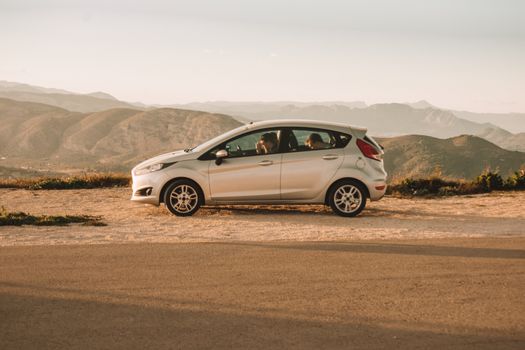
A parked car beside a road with stunning mountainous backdrop in Spain, capturing a serene and picturesque road trip moment.Photo: Bert Christiaens / Pexels

Your Ultimate Guide to Driving in Spain Car Rental

Unlock the freedom of exploring Spain at your own pace with our expert advice on car rental and driving.

Find Your Perfect Rental

Key Takeaways

  • ✓ You need an International Driving Permit (IDP) if your license isn't from an EU country.
  • ✓ Speed limits are strictly enforced, often by cameras.
  • ✓ Parking in major cities can be challenging and expensive.
  • ✓ Tolls are common on major motorways (autopistas).

How It Works

1
Choose Your Vehicle & Pick-up Location

Decide on a car size that suits your travel group and luggage needs, considering narrow Spanish streets. Select a convenient pick-up point, such as an airport or city center.

2
Understand Rental Terms & Insurance

Carefully review the rental agreement for fuel policy, mileage limits, and insurance options. Consider full coverage for peace of mind, especially with potential deductibles.

3
Prepare Documents & Collect Car

Ensure you have your valid driver's license, IDP (if required), passport, and credit card ready. Thoroughly inspect the car for existing damage before leaving the lot.

4
Hit the Road & Explore Spain

Familiarize yourself with Spanish road signs and rules of the road before setting off. Use GPS for navigation and enjoy the flexibility and adventure of your Spanish journey.

Navigating the Essentials of Car Rental in Spain

Luxury cars lined up at an outdoor dealership, showcasing sleek designs.Photo: Pixabay / Pexels
Embarking on a journey across Spain by car offers unparalleled freedom, allowing you to discover hidden gems and picturesque landscapes far beyond the typical tourist trails. The allure of a spontaneous road trip, from the sun-drenched coasts of Andalusia to the historic towns of Castilla y León, is undeniable. However, to truly enjoy this experience, understanding the nuances of car rental in Spain is paramount. This section will delve into the critical aspects of securing your rental vehicle, ensuring a smooth start to your adventure. First and foremost, eligibility for car rental in Spain typically requires you to be at least 21 years old, though some agencies might impose a 'young driver' surcharge for those under 25. You'll need a valid driver's license, which must have been held for at least one year. For non-EU citizens, an International Driving Permit (IDP) is not just recommended but often legally required. While some rental companies might accept certain non-EU licenses without an IDP, Spanish traffic law mandates it for many nationalities, so it's always best to obtain one before you travel to avoid any complications. This small investment can save you significant hassle and potential fines. Your passport and a major credit card in the primary driver's name are also indispensable for the rental process, as most companies require a credit card for the security deposit. When it comes to choosing your vehicle, consider the type of driving you'll be doing. Will you be navigating the narrow, winding streets of historic villages, or sticking to major motorways? A smaller car is often more practical for urban exploration and easier to park, while a larger vehicle might offer more comfort for long-distance travel with luggage. Manual transmission cars are far more common and generally cheaper to rent in Spain, so if you're only comfortable with an automatic, be sure to specify this during booking, as availability might be limited and prices higher. Fuel types are predominantly petrol (gasolina) or diesel (gasóleo), with diesel often being more fuel-efficient for longer drives. Electric vehicles are becoming more available, though charging infrastructure is still developing outside major cities. Booking your car rental in advance, especially during peak season (summer, Easter, and Christmas), is highly advisable. Not only does this often secure a better rate, but it also guarantees vehicle availability, particularly for specific car types. Utilize reputable online comparison sites to compare prices from various companies like Avis, Hertz, Europcar, Sixt, and local Spanish providers. Pay close attention to what's included in the price – unlimited mileage, basic insurance, and VAT are usually standard, but extras like GPS, child seats, and additional drivers will incur extra costs. Hidden fees can quickly inflate the final price, so read the terms and conditions meticulously. Understanding your fuel policy is also crucial; the 'full-to-full' option is generally the most economical, where you pick up the car with a full tank and return it full. Options like 'full-to-empty' often include a service charge and can be more expensive if you don't use a full tank of fuel. Finally, inspect the vehicle thoroughly for any existing damage before driving off the lot and ensure all discrepancies are noted on your rental agreement to avoid being charged for pre-existing issues upon return. Taking photos or a video of the car's condition at pick-up and drop-off can be a lifesaver in case of disputes. This meticulous approach to the rental process sets the foundation for a worry-free driving experience in Spain.

Mastering Spanish Road Rules and Driving Etiquette
Empty foggy road with a stop sign and tires, creating a moody summer scene.Photo: Matias Mango / Pexels
Driving in Spain, while generally a pleasant experience, comes with its own set of rules and unwritten etiquette that can differ significantly from what you might be accustomed to. Familiarizing yourself with these before you get behind the wheel is crucial for both your safety and avoiding potential fines. The first and most critical aspect to grasp is the speed limits. On motorways (autopistas and autovías), the maximum speed limit is generally 120 km/h (75 mph). On national roads, it's typically 90 km/h (56 mph), and in urban areas, it's often 50 km/h (31 mph), though this can drop to 30 km/h (19 mph) or even 20 km/h (12 mph) in specific zones, especially around schools or residential areas. Spain has a high number of speed cameras, both fixed and mobile, so adherence to these limits is strictly enforced. It's also worth noting that minimum speed limits apply on motorways, usually 60 km/h (37 mph. Road signs in Spain largely follow international standards, using symbols and images that are generally easy to understand. However, some unique signs might catch you off guard. For instance, a blue square sign with a white arrow indicates a one-way street, and a red circle with a white bar signifies 'No Entry'. Pay special attention to parking signs, which often include complex restrictions based on days of the week or time of day. Blue zones (zona azul) usually require payment at a nearby machine, while green zones (zona verde) are often reserved for residents or have limited parking times. Illegally parked cars are frequently towed, and the fees for retrieval can be substantial. Roundabouts (rotondas) are ubiquitous in Spain and can sometimes be a source of confusion. The general rule is that vehicles already in the roundabout have priority. When entering, yield to traffic coming from your left. When exiting, signal your intention well in advance. Multi-lane roundabouts can be tricky; it's generally safest to stay in the outer lane if you intend to take one of the first exits, and use inner lanes for later exits, moving to the outer lane as you approach your exit. Overtaking rules are also important: you must always overtake on the left. It is illegal to overtake on the right, except in specific circumstances, such as when the vehicle in front is signaling a left turn. The use of indicators is expected and appreciated. Spanish drivers can sometimes appear aggressive, but they are generally predictable. Don't be surprised by close tailgating, especially on multi-lane roads. Maintain a safe following distance, and if someone is too close, it's often best to move over to the right lane when safe to do so. Horn use is more common than in some other countries, often used as a warning or to express impatience, but it's illegal to use it in urban areas unless it's an emergency. Mobile phone use while driving is strictly prohibited, even hands-free, unless you are using a fully integrated system. Seatbelts are mandatory for all occupants, front and rear. Children under 12 or shorter than 135 cm must use an appropriate child seat. Finally, alcohol limits are stricter than in many other countries, with a blood alcohol content (BAC) limit of 0.5 g/L (0.25 mg/L in breath), and even lower for new drivers (0.3 g/L or 0.15 mg/L). It's always safest to avoid drinking any alcohol if you plan to drive.

Essential Tips for a Smooth Spanish Road Trip
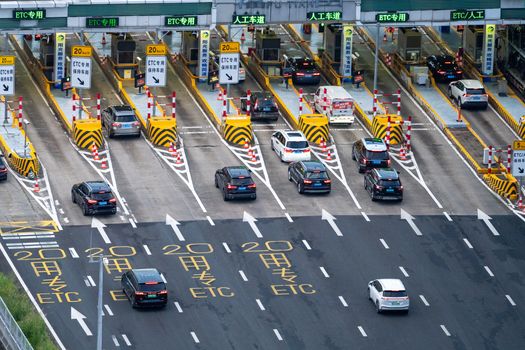
Overhead photo of a busy toll plaza with multiple cars and lanes, featuring ETC lanes.Photo: Chen EdisoN / Pexels
Planning a road trip across Spain involves more than just renting a car; it requires strategic preparation to ensure a smooth, enjoyable, and hassle-free journey. One of the most critical aspects is navigation. While many rental cars offer integrated GPS, relying solely on it can sometimes lead to frustration, especially in areas with poor signal or outdated maps. Downloading offline maps on your smartphone (e.g., Google Maps, Maps.me) is an excellent backup. A physical map can also be surprisingly useful, offering a broader overview of your route and potential detours. For navigating cities, be aware that many historic centers are pedestrianized or have restricted access for non-resident vehicles (Zonas de Bajas Emisiones - ZBE), often enforced by cameras. Driving into these zones without proper authorization can result in hefty fines. It's often advisable to park on the outskirts of cities and use public transport or walk to explore the center. Fuel costs in Spain are comparable to other Western European countries and can fluctuate. It's always a good idea to fill up your tank before embarking on long stretches, especially in rural areas where petrol stations might be sparse. Most stations are self-service, and many accept credit cards, though having some cash on hand for smaller, independent stations is wise. Look for signs indicating 'Gasolinera' (petrol station). When it comes to tolls, Spain has an extensive network of motorways (autopistas) that are often tolled. These roads are generally faster and in better condition than the toll-free autovías or national roads. You can pay tolls with cash or credit card at the booths, or for frequent travelers, an electronic toll device (Via-T) can be rented from some car rental companies or purchased. This allows for seamless passage through dedicated lanes, but it's usually only cost-effective for extensive use. Factor toll costs into your budget, especially if you plan to cover long distances on autopistas. Parking, particularly in popular tourist destinations and major cities, can be a significant challenge. As mentioned earlier, blue and green zones exist, but understanding the local regulations is key. Underground car parks (aparcamientos subterráneos) are plentiful in cities but can be expensive. Always check for signs indicating parking restrictions before leaving your vehicle. For longer stays, consider hotels that offer parking facilities. Roadside assistance is typically included in your car rental agreement, but it's essential to know the emergency contact number provided by your rental company. In case of a breakdown or accident, you must wear a reflective vest (chaleco reflectante) when outside your vehicle on the roadside and place a warning triangle (triángulo de preseñalización de peligro) at a safe distance (50 meters) behind the car. These items should be provided with your rental car, but it's good practice to check they are present before you leave the rental office. For more in-depth advice on securing the best deal, consider reading our guide on how to rent a car without a credit card, which offers alternative payment solutions that might be useful. Finally, always keep your rental documents, driver's license, IDP, and passport readily accessible, as you may be asked to present them at routine police checks, which are more common in Spain than in some other countries. Being prepared for these eventualities will greatly enhance your driving experience and allow you to focus on the beauty of Spain.

Common Pitfalls and How to Avoid Them When Driving in Spain

Close-up image of an insurance policy with a magnifying glass, money, and toy car.Photo: Vlad Deep / Pexels
While driving in Spain offers incredible freedom, there are several common pitfalls that travelers often encounter. Being aware of these can save you time, money, and stress, ensuring your Spanish adventure remains enjoyable. One of the most frequent issues relates to insurance. Many renters opt for the basic insurance included with the rental, which often comes with a high excess (deductible). This means that in the event of even minor damage, you could be liable for a significant out-of-pocket expense. To mitigate this risk, consider purchasing a 'full coverage' or 'zero excess' policy, either directly from the rental company or from an independent third-party provider. While it adds to the initial cost, it offers invaluable peace of mind, especially on unfamiliar roads. Another common mistake is overlooking the fuel policy. The 'full-to-empty' option, where you pay for a full tank upfront and return it empty, often sounds convenient but can be significantly more expensive. The price per liter is usually inflated, and it's rare to return the car perfectly empty, meaning you've paid for fuel you didn't use. Always opt for the 'full-to-full' policy if available, which requires you to return the car with a full tank, ensuring you only pay for the fuel you consume at local pump prices. Parking fines are another notorious pitfall. As mentioned, restricted access zones in city centers (ZBEs) are a growing concern. Many historic cities like Madrid and Barcelona have implemented these environmental zones, and unauthorized entry results in automatic fines captured by cameras. If your hotel is within a ZBE, inquire if they can register your rental car's license plate for temporary access. Otherwise, always park outside these zones and use public transport. Also, be vigilant about parking signs, as rules can change based on the day of the week or time. If a parking meter is broken, do not assume you can park for free; it's safer to find another spot. Finally, be wary of scams or overcharges at the rental counter. Always scrutinize the final bill for any unexpected charges, such as additional insurance you didn't request, GPS units you didn't need, or unwarranted cleaning fees. Take photos or videos of the car's condition both before and after your rental, meticulously documenting any existing scratches or dents. This visual evidence can be crucial in disputing unjustified charges. If you are offered an upgrade, ensure you understand the associated costs and if it truly benefits your travel plans. Sometimes, a smaller, more maneuverable car is better suited for Spain's infrastructure. By being diligent and informed, you can navigate these potential pitfalls and enjoy a seamless car rental experience in Spain.

Comparison

FeatureBest Option (Freedom)Alternative 1 (Budget)Alternative 2 (Convenience)
Car TypeMid-size automatic SUVCompact manual hatchbackSmall electric city car
InsuranceFull Coverage / Zero ExcessBasic CDW with high excessThird-party excess insurance
Fuel PolicyFull-to-FullFull-to-FullPre-paid full (if returning empty)
NavigationGPS + Offline MapsOffline MapsRental Car GPS
TollsVia-T deviceCash/Credit CardAvoid toll roads
ParkingHotel parking / OutskirtsPublic transport / WalkUnderground car parks

What Our Readers Say

5 ★★★★★

"Renting a car for our Picos de Europa trip was the best decision! The process was smooth, and having an IDP made everything seamless. Driving in Spain allowed us to see so much more than we ever could have by public transport."

5 ★★★★★

"We booked a small automatic for navigating Andalusian villages, and it was perfect. The full-to-full fuel policy saved us money, and knowing the local driving rules made me feel confident behind the wheel."

5 ★★★★★

"Our driving in Spain car rental experience was fantastic. We toured from Barcelona to Valencia, and the car gave us the flexibility to stop at charming towns. Definitely get the full insurance for peace of mind!"

4 ★★★★☆

"The car rental itself was easy, but navigating Madrid's ZBE was a bit confusing initially. Once we understood to park outside the center, it was much better. The freedom to explore beyond the cities was invaluable."

5 ★★★★★

"We rented a car for a two-week family trip through Spain, and it was essential for visiting all the coastal towns and national parks. The driving was generally easy, and the roads were well-maintained."

Frequently Asked Questions

Is an International Driving Permit (IDP) really necessary for driving in Spain?
Yes, if your driver's license is not issued by an EU/EEA country, an IDP is legally required in Spain. While some rental agencies might not ask for it at pick-up, Spanish traffic law mandates it, and you could face significant fines if stopped by police without one. It's a small investment for peace of mind and compliance.
Are Spanish roads difficult to drive on for tourists?
Spanish roads are generally well-maintained and clearly signposted, especially major motorways (autopistas and autovías). However, driving in historic city centers can be challenging due to narrow streets, pedestrian zones, and limited parking. Rural roads can be winding, but offer scenic views. With a bit of preparation and awareness of local rules, most tourists find driving manageable.
How do I pay for tolls on Spanish motorways?
Tolls on Spanish motorways (autopistas) can be paid with cash or major credit/debit cards at the toll booths. For frequent travelers or those wanting to avoid stopping, an electronic toll device (Via-T) can be rented from some car rental companies or purchased, allowing you to use dedicated express lanes.
What is the typical cost of car rental in Spain?
The cost of car rental in Spain varies widely based on vehicle type, rental duration, season, and booking lead time. A compact car can range from €20-€50 per day in the low season, increasing to €50-€100+ during peak times. Always factor in insurance, fuel, and potential extras like GPS or child seats for the total cost.
Should I get full insurance for my rental car in Spain?
While basic insurance (CDW) is usually included, it often comes with a high excess (deductible), meaning you're liable for the first portion of any damage. For complete peace of mind, especially on unfamiliar roads, purchasing full coverage or zero-excess insurance from the rental company or a third-party provider is highly recommended.
Who would benefit most from driving in Spain car rental?
Car rental in Spain is ideal for travelers who want flexibility, aim to explore rural areas, visit multiple cities, or embark on a multi-day road trip. It's perfect for families, groups, or individuals seeking to discover Spain's diverse landscapes, charming villages, and hidden gems at their own pace, beyond the reach of public transport.
What should I do if I have an accident or breakdown?
In case of an accident, ensure everyone's safety, call emergency services (112), and contact your rental company immediately. For a breakdown, call the roadside assistance number provided by your rental company. Always wear a reflective vest and place a warning triangle if you exit the vehicle on the roadside.
Are there any future trends impacting car rental in Spain?
The trend towards electric vehicles (EVs) is growing, with more EV rental options appearing, though charging infrastructure is still developing. Additionally, stricter Low Emission Zones (ZBEs) in cities are expanding, requiring drivers to be aware of vehicle emissions standards and potential access restrictions, influencing car choice.

Ready to unlock the ultimate freedom of exploration? A driving in Spain car rental is your ticket to an unforgettable adventure, allowing you to craft your perfect itinerary and discover the country's diverse beauty at your own pace. Start planning your Spanish road trip today and embrace the open road!

Topics: driving in Spain car rentalSpain road triprenting a car in SpainSpanish driving rulescar hire Spain tips
Leo List
Brampton weed
Adultwork