✓ International Driving Permit (IDP) is often required for non-EU/EEA license holders.
✓ Manual transmission cars are standard; automatic costs more and may be less available.
✓ Many Spanish cities have Zonas de Bajas Emisiones (ZBE) restricting vehicle access.
✓ Toll roads (autopistas) are common; carry cash or a compatible transponder.
How It Works
1
Research & Book Early
Compare rental companies and vehicle types well in advance, especially for peak seasons. Booking early often secures better rates and a wider selection of cars.
2
Understand Requirements
Verify necessary documents like your driver's license, IDP, and credit card. Check age restrictions and any additional driver policies before arrival.
3
Inspect & Document
Thoroughly inspect the rental car for existing damage before driving off. Take photos or videos as proof to avoid unwarranted charges upon return.
4
Familiarize with Rules
Before hitting the road, briefly review key Spanish traffic laws and road signs. This preparation helps ensure a safe and compliant driving experience.
Essential Documents and Requirements for Car Hire in Spain
Photo: Borys Zaitsev / Pexels
Embarking on a road trip across Spain promises unparalleled freedom and discovery, but the journey truly begins with understanding the crucial documents and requirements for car rental. The first and most important item on your checklist is your driver's license. If you hold a license issued by an EU or EEA country, you're generally good to go. However, for those with licenses from outside these regions, an International Driving Permit (IDP) is not just recommended, it's legally required in Spain. This document serves as a translation of your national license and must always be carried alongside your original license. Without an IDP, you risk fines and potential issues with your rental agreement or insurance in the event of an incident. Always ensure your IDP is current and valid for your entire rental period.
Beyond your license and IDP, a valid credit card in the main driver's name is universally required for the security deposit. Debit cards are rarely accepted for this purpose, so plan accordingly. The rental company will typically pre-authorize a significant amount on your card, which is released upon the safe return of the vehicle. Ensure your credit limit can accommodate this hold. Furthermore, many rental agencies impose age restrictions. While the minimum age for renting a car in Spain is typically 21, drivers under 25 often face a 'young driver surcharge'. Some premium vehicle categories may also have higher age minimums. It's vital to check these terms with your chosen rental company beforehand to avoid any surprises.
Proof of identity, usually your passport, is also a standard requirement, especially for non-Spanish nationals. When considering additional drivers, be aware that they too must meet the same age and documentation requirements as the main driver and will almost always incur an extra daily fee. Failing to register an additional driver means they won't be covered by the rental insurance, which could lead to severe financial consequences if they are involved in an accident. Always verify the specific requirements with your rental provider, as policies can vary between companies and even locations within Spain. A little preparation in this area can save a lot of hassle and ensure your Spanish adventure starts on the right foot.
Navigating Spanish Road Rules and Traffic Regulations
Photo: Jan van der Wolf / Pexels
Driving in Spain offers a fantastic opportunity to explore diverse landscapes, but it's crucial to be well-versed in the local road rules and traffic regulations. Ignorance of the law is no excuse, and Spanish authorities are known for strict enforcement. One fundamental rule is driving on the right-hand side of the road, a standard for most of continental Europe. Seatbelts are mandatory for all occupants, both front and rear, and children under 1.35 meters (approximately 4 feet 5 inches) must use an appropriate child restraint system. Speed limits are clearly signposted: typically 120 km/h (75 mph) on autopistas (motorways), 90 km/h (56 mph) on conventional roads outside urban areas, and 50 km/h (31 mph) in built-up areas, though these can drop to 30 km/h (19 mph) or even 20 km/h (12 mph) in specific urban zones. Always pay close attention to signage, as speed cameras are prevalent.
Roundabouts are common in Spain and follow a specific protocol: traffic already on the roundabout has priority, and you should signal when exiting. Mobile phone use while driving is strictly prohibited unless using a hands-free system; holding your phone, even at a standstill, can result in a hefty fine. Alcohol limits are also stringent: the legal blood alcohol content (BAC) limit is 0.5 mg/ml (0.25 mg/ml for new drivers and commercial drivers). It's best to avoid alcohol entirely if you plan to drive. Parking regulations can be complex, especially in cities. Look for blue zones (zona azul) which are paid parking, green zones (zona verde) for residents with limited visitor parking, and white zones (zona blanca) which are usually free. Always check the parking signs carefully, as illegal parking can lead to towing and significant fines.
Perhaps one of the most critical aspects of driving in Spain, especially in larger cities like Madrid, Barcelona, and Seville, are the Zonas de Bajas Emisiones (ZBE) or Low Emission Zones. These areas restrict access for certain vehicles based on their environmental sticker (distintivo ambiental). Rental cars typically come with the appropriate sticker, but it's essential to confirm this with your rental company and understand the specific access rules for your destination. Entering a ZBE without permission can result in substantial fines. Familiarize yourself with common road signs, as some are unique to Spain. For instance, a red circle with a white bar signifies 'no entry', and a red triangle with a black symbol indicates a warning. A thorough understanding of these rules will not only keep you safe but also help you avoid costly penalties, ensuring a smoother and more enjoyable journey across Spain.
Understanding Insurance, Fuel Policies, and Toll Roads in Spain
Photo: Mikhail Nilov / Pexels
When picking up your rental car in Spain, a clear understanding of insurance, fuel policies, and the country's toll road system is paramount to a stress-free experience. Standard rental agreements in Spain typically include basic third-party liability insurance (TPL), which is legally required and covers damages to other vehicles and property. However, this often comes with a high excess (deductible) for damage to your rental car. Many travelers opt for additional coverage, such as Collision Damage Waiver (CDW) or Super CDW, to reduce or eliminate this excess. CDW covers damages to the rental vehicle but usually excludes tires, windows, and undercarriage, and often has an excess. Super CDW offers more comprehensive coverage, often with zero excess. Be wary of pressure tactics at the rental desk to purchase expensive additional insurance if you've already secured coverage through your credit card or an independent provider. Always review your existing travel insurance and credit card benefits before you travel, as they might offer adequate car rental coverage, potentially saving you money.
Fuel policies are another critical point of contention. The most common and recommended policy is 'full-to-full'. With this, you pick up the car with a full tank and return it full, only paying for the fuel you've used. This is generally the most economical option. Avoid 'full-to-empty' policies, where you pay for a full tank upfront and are expected to return it empty. The initial fuel charge is often inflated, and you rarely manage to return the car completely empty, meaning you pay for fuel you don't use. Always confirm the fuel type your rental car uses (gasolina for petrol, diésel for diesel) and fill up accordingly. Misfuelling can cause significant engine damage and is not covered by insurance, leading to substantial repair costs.
Spain's excellent road network includes a significant number of toll roads, known as 'autopistas' (AP-xx). These roads offer faster travel with less traffic but come at a cost. You'll encounter toll booths where you can pay with cash, credit card, or via an electronic transponder system called 'Via-T' or 'Telepeaje'. If you plan on using toll roads frequently, consider renting a car with a Via-T device, or inquire about purchasing one. If not, ensure you have small denominations of euros for cash payments, as some booths may not accept larger notes or cards. The cost of tolls can add up, so factor this into your travel budget. Planning your route to identify potential toll roads and having the right payment method ready will ensure a smoother journey across Spain.
Top Tips and Common Mistakes to Avoid When Driving in Spain
Photo: Giallo Giallo / Pexels
To ensure your Spanish road trip is memorable for all the right reasons, heed these top tips and actively avoid common pitfalls. Firstly, always book your car in advance, especially if you need an automatic transmission, as manuals are far more common and cheaper. Last-minute bookings can lead to limited availability and higher prices. Secondly, thoroughly inspect your rental car before leaving the lot. Document any existing scratches, dents, or damage with photos or video, and ensure they are noted on your rental agreement. This simple step can save you from being charged for pre-existing damage upon return. Thirdly, consider renting a GPS or using a reliable navigation app (like Google Maps or Waze) on your phone. While physical maps are charming, navigating complex city streets and roundabouts is far easier with real-time guidance.
Here are some common mistakes to avoid:
* **Ignoring ZBEs:** As mentioned, Low Emission Zones are strictly enforced in major cities. Do not enter these zones without confirming your vehicle's compliance or you will face fines.
* **Underestimating Parking:** Parking in Spanish cities can be challenging and expensive. Research parking options near your accommodation or attractions beforehand. Avoid illegal parking at all costs, as towing is swift and costly.
* **Forgetting the IDP:** For non-EU/EEA drivers, failing to carry your International Driving Permit alongside your national license is a legal offense.
* **Misfuelling:** Always double-check the fuel type (gasolina/diesel) before filling up. A mistake here can lead to costly engine repairs not covered by insurance.
* **Speeding:** Spanish police are vigilant, and speed cameras are numerous. Stick to the limits to avoid fines.
* **Not carrying required items:** Legally, you must carry a reflective vest and two warning triangles in your car. Rental companies usually provide these, but check to be sure.
* **Over-relying on phone for navigation:** While apps are great, ensure your phone is fully charged or you have a car charger. A dead phone in an unfamiliar city can be stressful.
* **Driving in the bus lane:** Bus lanes are exclusively for buses, taxis, and sometimes motorcycles. Do not use them unless explicitly permitted, or you risk a fine.
By being mindful of these tips and avoiding these common mistakes, your driving experience in Spain will be significantly smoother and more enjoyable.
Comparison
Feature
Best Option
Alternative 1
Alternative 2
Insurance Coverage
Super CDW (Zero Excess)
Basic CDW (High Excess)
Credit Card Coverage
Fuel Policy
Full-to-Full
Full-to-Empty
Pre-purchase with refund
Transmission
Automatic (Book Early)
Manual (Standard)
EV (Limited availability)
Required Documents
License + IDP + Credit Card
License + Credit Card (EU)
License + Debit Card (Rare)
Toll Payment
Via-T Device
Cash/Credit Card
Avoid Toll Roads
What Readers Say
★★★★★
"Following these driving in Spain car rental tips made our road trip through Andalusia incredibly smooth. The advice on IDP and ZBEs was invaluable, saving us from potential fines and confusion. Highly recommend reading this before you go!"
Maria G. · London, UK
★★★★★
"The details on insurance and fuel policies clarified so much. I opted for the full-to-full policy as suggested and it was indeed the most economical choice. These tips are a must-read for anyone renting a car in Spain."
David R. · New York, USA
★★★★★
"I was hesitant about driving in Spain, but this guide gave me the confidence I needed. The clear explanation of road rules and tips for navigating roundabouts meant we had a fantastic, worry-free journey from Barcelona to Valencia."
Sophie L. · Sydney, Australia
★★★★★
"Very comprehensive guide, especially the parts about ZBEs in Madrid, which are tricky. I wish there was a bit more detail on specific city parking apps, but overall, it significantly improved our trip planning."
Carlos M. · Mexico City, Mexico
★★★★★
"This article was a lifesaver! We followed the advice on inspecting the car and documenting everything, which proved useful when a minor scratch was later questioned. Knowing the essential items to carry was also very helpful."
Emily H. · Toronto, Canada
Frequently Asked Questions
Is an International Driving Permit (IDP) truly necessary for driving in Spain?
Yes, for non-EU/EEA license holders, an IDP is legally required in Spain. It acts as a translation of your national license and must be carried alongside your original license at all times. Failure to produce one can result in fines and issues with rental companies or insurance.
What's the best way to handle toll roads (autopistas) in Spain?
For convenience, consider renting a car equipped with a 'Via-T' or 'Telepeaje' transponder, which allows for automatic payment. Otherwise, ensure you have cash (small denominations) and a credit card, as not all toll booths accept all payment methods or large notes. Planning your route to identify tolls is also advisable.
How do I avoid getting fined in Spanish Low Emission Zones (ZBEs)?
Before driving into major cities like Madrid or Barcelona, research the specific ZBE regulations. Confirm with your rental company that your vehicle has the correct environmental sticker (distintivo ambiental) and understand its access permissions. Many navigation apps also highlight ZBEs, helping you plan compliant routes.
Is it cheaper to rent a car in Spain with an automatic or manual transmission?
Manual transmission cars are significantly more common and generally cheaper to rent in Spain. Automatic vehicles are often considered a premium option, cost more, and may have limited availability, especially if not booked well in advance.
What kind of car rental insurance should I get for driving in Spain?
While basic third-party liability is mandatory, consider opting for a Collision Damage Waiver (CDW) with reduced or zero excess (Super CDW) for peace of mind. Check if your credit card or personal travel insurance offers adequate coverage before purchasing additional insurance at the rental desk.
Who benefits most from these driving in Spain car rental tips?
These tips are ideal for first-time visitors to Spain planning to rent a car, experienced travelers seeking a refresher on Spanish specific rules, and anyone looking to avoid common pitfalls, save money, and ensure a smooth, compliant road trip experience across the country.
Are there any hidden risks or scams with car rentals in Spain I should be aware of?
Be vigilant about pressure to buy unnecessary additional insurance if you're already covered. Always inspect the car thoroughly for existing damage and document it before leaving. Also, be aware of 'full-to-empty' fuel policies, which often lead to overpaying for fuel. Stick to reputable rental companies and read reviews.
How is the future of driving in Spain evolving, especially for rental cars?
Spain is increasingly focusing on sustainability, with more ZBEs being implemented and electric vehicle (EV) charging infrastructure expanding. Future car rentals may see a greater emphasis on EVs and hybrid options, along with stricter environmental regulations for urban driving. Staying updated on these changes will be key.
Armed with these comprehensive driving in Spain car rental tips, you're now ready to confidently navigate the stunning landscapes and vibrant cities of Spain. Don't let uncertainty hold you back – plan your unforgettable Spanish road trip today and experience the freedom of exploring at your own pace.

 Photo: Borys Zaitsev / Pexels
 Photo: Jan van der Wolf / Pexels
 Photo: Mikhail Nilov / Pexels
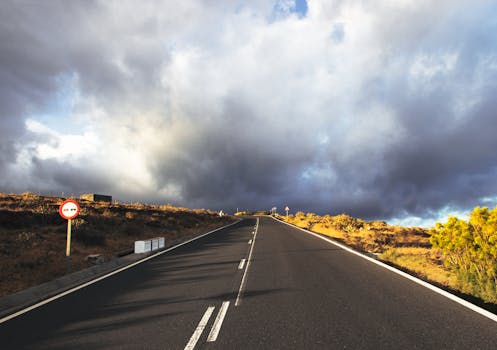 Photo: Giallo Giallo / Pexels