Essential Tips for Renting a Car in Spain
tips for renting a car in Spain

Essential Tips for Renting a Car in Spain

Navigate Spain's roads with confidence and avoid common pitfalls with our expert car rental advice.

Plan Your Spanish Adventure

Key Takeaways

  • ✓ An International Driving Permit (IDP) is often recommended or required for non-EU drivers.
  • ✓ Manual transmission cars are standard; specify automatic if needed.
  • ✓ Always inspect the car thoroughly for existing damage before driving off.
  • ✓ Understand fuel policies (full-to-full is usually best) to avoid extra charges.

How It Works

1
Research & Book Early

Compare prices from various rental companies well in advance, especially during peak season. Booking early often secures better rates and vehicle availability.

2
Understand Insurance Options

Decipher the different types of insurance (CDW, TP, TPL) and decide what coverage you need. Be wary of aggressive upselling at the counter.

3
Prepare Documentation & Inspect

Gather your driver's license, IDP, credit card, and booking confirmation. Upon pickup, meticulously inspect the vehicle for any pre-existing damage and document it.

4
Familiarize with Local Rules

Before hitting the road, understand Spanish driving laws, speed limits, parking regulations, and toll road systems. This prevents fines and ensures a smooth journey.

Navigating Car Rental Agencies and Booking Strategies in Spain
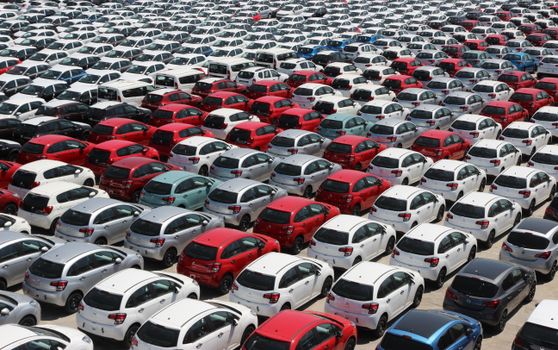
Overhead shot of neatly parked colorful cars in a large outdoor lot under sunlight. Photo: Renato Rocca / Pexels
Renting a car in Spain can transform your travel experience, offering unparalleled freedom to explore hidden villages, stunning coastlines, and ancient cities at your own pace. However, the process can be fraught with potential pitfalls if you're not adequately prepared. The first crucial step is selecting the right car rental agency and implementing effective booking strategies. Spain hosts a multitude of rental companies, ranging from global giants like Hertz, Avis, Europcar, and Budget to local Spanish operators such as Goldcar, Centauro, and Record Go. Each comes with its own reputation, pricing structure, and terms and conditions. It's highly advisable to compare prices across several platforms and direct company websites. Aggregators like Rentalcars.com or Skyscanner can provide a good starting point, but always cross-reference with the rental company's own site, as sometimes direct bookings offer exclusive deals or better transparency on included features. Booking well in advance, especially if your trip coincides with peak tourist seasons like summer, Easter, or major festivals, is paramount. Not only does this often secure a better rate, but it also guarantees the availability of your preferred vehicle type. Waiting until the last minute can lead to inflated prices or, worse, no cars being available at all, particularly for automatic transmissions or larger vehicles. When comparing, pay close attention to the 'total price' that includes all mandatory fees and taxes, rather than just the headline daily rate. Some companies are notorious for low initial quotes that balloon with mandatory add-ons at checkout. Consider the pick-up and drop-off locations. Renting from airport locations often incurs an 'airport surcharge,' which can be significant. Sometimes, picking up from a city-centre branch, if convenient, can save you money. However, weigh this against the cost and hassle of reaching the city-centre office. One often overlooked aspect is the fuel policy. The 'full-to-full' policy is generally the most transparent and cost-effective, where you pick up the car with a full tank and return it full. Avoid 'full-to-empty' or 'pre-purchased fuel' options, as these often charge exorbitant rates for fuel and rarely refund unused portions. Understanding these nuances from the outset will save you both money and stress, setting the foundation for a smooth car rental experience in Spain. For more general car rental tips, check out our comprehensive guide.

Demystifying Car Rental Insurance and Hidden Fees in Spain

A woman discussing car purchase with a dealer inside a car dealership showroom. Photo: AI25.Studio Studio / Pexels
Car rental insurance is arguably the most confusing and contentious aspect of renting a car, and Spain is no exception. At the rental counter, you'll likely be presented with a dizzying array of options, often accompanied by high-pressure sales tactics. It's crucial to understand what's typically included and what you might genuinely need. Basic third-party liability insurance (TPL) is mandatory by law in Spain and is almost always included in your rental rate. This covers damage to other vehicles or property, and injuries to other people, but not damage to your rental car or your own injuries. Collision Damage Waiver (CDW) and Theft Protection (TP) are often included in the base rate, but they come with a significant excess (deductible), meaning you're liable for the first few hundred or even thousand euros of damage. This is where the rental companies push their 'Super CDW' or 'Full Protection' policies, which reduce or eliminate this excess. While these can offer peace of mind, they are often very expensive. Before you travel, check if your personal car insurance, travel insurance, or credit card offers rental car coverage. Many premium credit cards, for instance, provide secondary CDW coverage, which can save you a substantial amount. If you rely on credit card coverage, be sure to understand its limitations, such as exclusions for certain vehicle types or countries, and whether it covers loss of use or administrative fees charged by the rental company. Beyond insurance, hidden fees can quickly inflate your final bill. Common culprits include: airport surcharges (already mentioned), one-way fees (if you pick up in one city and drop off in another), out-of-hours pick-up/drop-off fees, additional driver fees, GPS rental (use your phone's navigation instead!), child seat rental, and administrative fees for traffic fines. Always read the rental agreement thoroughly before signing, paying close attention to the 'fine print' regarding these potential charges. If something isn't clear, ask for clarification. Don't be afraid to decline extras you don't need or already have covered. A little preparation and assertiveness at the counter can save you hundreds of euros and prevent unpleasant surprises when you return the car. By being informed, you can confidently navigate the insurance landscape and avoid unnecessary costs, ensuring your Spanish adventure remains budget-friendly and stress-free.

Mastering Spanish Driving Laws and Road Etiquette
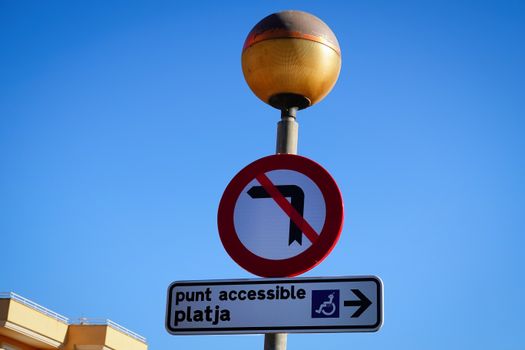
No left turn sign with accessible beach direction in Cala Millor, Spain. Photo: Joerg Hartmann / Pexels
Driving in a foreign country can be intimidating, but understanding local laws and customs in Spain will make your journey much smoother. First and foremost, an International Driving Permit (IDP) is legally required for non-EU license holders. While some rental agencies might not ask for it at pickup, police can fine you heavily if you're stopped without one. Obtain your IDP from your local automobile association before you leave your home country – it's typically inexpensive and valid for a year. Always carry your valid national driver's license, passport, and the rental agreement with you when driving. Speed limits in Spain are generally 120 km/h (75 mph) on motorways (autopistas), 90 km/h (56 mph) on national roads, and 50 km/h (31 mph) in urban areas. Be vigilant for speed cameras, which are common and often unmarked. Fines can be steep and are usually sent directly to the rental company, which will then charge your credit card, often with an additional administrative fee. Mobile phone use while driving is strictly prohibited, even hands-free, unless the device is fully integrated into the vehicle. Using headphones or earbuds is also illegal. Always use your indicators when changing lanes or turning, and remember that roundabouts are prevalent and require careful navigation – yield to traffic already in the roundabout. Parking can be a challenge, especially in older city centers. Look for blue zones (zona azul) which are paid parking, or green zones (zona verde) which are often for residents but may allow short-term visitor parking for a fee. Always check the signs carefully. Underground car parks (aparcamientos subterráneos) are usually the safest and most convenient option in cities, though they can be expensive. Toll roads (autopistas de peaje) are common, especially on major routes. You can pay with cash or credit card at the booths, or use an electronic 'Via-T' transponder (sometimes offered by rental companies, but check the cost). Avoid driving through bus lanes or restricted access zones in cities (often marked 'APR' or 'Zona de Bajas Emisiones' – Low Emission Zones), as these are camera-enforced and will result in fines. Familiarizing yourself with these rules will not only keep you safe but also help you avoid costly penalties, ensuring your Spanish road trip is memorable for all the right reasons. Learn more about European driving regulations here.

Essential Tips and Common Mistakes to Avoid When Renting a Car in Spain

Black and white photo showcasing a vintage car interior with a manual gearshift and dashboard. Photo: Ryland zweifel / Pexels
Beyond the big-ticket items like insurance and legalities, several smaller, yet crucial, tips can significantly enhance your car rental experience in Spain. Conversely, overlooking these details can lead to unnecessary stress and expenses. Here’s a breakdown of essential advice and common pitfalls to steer clear of: **Essential Tips for a Smooth Rental:** * **Document Everything:** Before driving off, take photos or videos of the car's exterior and interior, noting any existing scratches, dents, or damage, no matter how minor. Do this again when you return the car. This is your best defense against unfair damage claims. * **Understand Fuel Type:** Spain uses both petrol (gasolina) and diesel (gasóleo). Ensure you know which fuel your rental car takes. Mis-fuelling can lead to significant engine damage and costly repairs, for which you will be liable. * **Check Emergency Equipment:** Spanish law requires all vehicles to carry a reflective safety vest and two warning triangles. While rental companies should provide these, quickly verify their presence and accessibility. * **Familiarize Yourself with the Car:** Before leaving the lot, locate the headlights, indicators, hazard lights, windshield wipers, and how to engage reverse gear. Spanish cars are predominantly manual, so if you're not comfortable with a stick shift, book an automatic well in advance. * **Plan Your Route:** While GPS is invaluable, having a general understanding of your route, especially in and out of major cities, can reduce stress. Be aware of one-way streets and pedestrianized zones. * **Keep Valuables Out of Sight:** When parking, especially in tourist areas, always remove or hide all valuables. Break-ins, while not rampant, can occur. * **Return on Time:** Returning the car late, even by an hour, can result in an extra day's charge. Plan your return with plenty of buffer time. **Common Mistakes to Avoid:** * **Ignoring the Small Print:** The rental agreement contains vital information about charges, fuel policy, and damage liability. Rushing through it is a recipe for problems. * **Declining a Thorough Inspection:** Don't let the rental agent rush you during the initial inspection. Take your time to check every panel, tire, and the interior. * **Not Understanding Tolls:** Assuming all roads are free can lead to unexpected detours or fines. Research your route for tolls beforehand. * **Relying Solely on Rental Company Insurance:** While convenient, it's often the most expensive option. Explore third-party alternatives or credit card coverage first. * **Leaving the Car Unlocked/Windows Down:** Even for a moment, this invites theft. Always secure the vehicle. * **Driving in Restricted Zones:** Many Spanish cities have 'Zona de Bajas Emisiones' (Low Emission Zones) or 'Áreas de Prioridad Residencial' (Residential Priority Areas) that require special permits or are only for residents. Fines are automated and hefty. * **Forgetting Your IDP:** This is a legal requirement for non-EU drivers and can lead to fines if you're stopped without it. By keeping these tips in mind and actively avoiding these common mistakes, your car rental experience in Spain will be much more enjoyable and free of unexpected headaches.

Comparison

FeatureBest OptionAlternative 1Alternative 2
Fuel PolicyFull-to-FullFull-to-Empty (avoid)Pre-purchased Fuel (avoid)
Insurance CoverageCredit Card/Third-Party + Basic CDWRental Company Full ProtectionBasic CDW with High Excess
TransmissionAutomatic (book early)Manual (standard)Specific model request
Booking Time3+ months in advance1 month in advanceLast minute (expensive)
DocumentationDriver's License + IDP + Credit CardDriver's License only (risky)Digital copies only (not accepted)

What Readers Say

"Following these tips for renting a car in Spain saved me so much hassle. I booked an automatic well in advance and avoided the airport surcharge by picking up downtown. The advice on checking the fuel policy was invaluable!"

Maria G. · Barcelona, Spain

"The section on insurance was a lifesaver. I used my credit card's coverage and politely declined the rental company's expensive full protection. It made a huge difference to my budget for my trip to Andalusia."

David L. · London, UK

"I was nervous about driving in Spain, but these tips, especially about the IDP and speed limits, prepared me perfectly. My road trip through the Basque Country was fantastic, and I avoided any fines!"

Sophie K. · New York, USA

"Good advice overall, particularly on documenting existing damage. I had a minor dispute over a scratch, but my photos quickly resolved it. Wish there was a bit more on specific city parking, but still very helpful."

Carlos R. · Madrid, Spain

"As an Australian, the IDP requirement was a key takeaway. I got mine before leaving and had no issues. The tips for renting a car in Spain made my journey from Malaga to Seville incredibly smooth."

Emily T. · Sydney, Australia

Frequently Asked Questions

Do I need an International Driving Permit (IDP) to rent a car in Spain?

Yes, if you are a non-EU citizen, an International Driving Permit (IDP) is legally required in Spain alongside your valid national driver's license. While some rental agencies might not ask for it, Spanish traffic police can fine you if you're stopped without one. It's inexpensive and easy to obtain from your local automobile association before your trip.

What's the best fuel policy to choose when renting a car in Spain?

The 'full-to-full' fuel policy is generally the most transparent and cost-effective. You pick up the car with a full tank and are expected to return it full. Avoid 'full-to-empty' or 'pre-purchased fuel' options, as these often charge inflated fuel prices and rarely refund unused portions of the tank.

How can I avoid hidden fees when renting a car in Spain?

To avoid hidden fees, always read the rental agreement thoroughly before signing. Pay close attention to airport surcharges, one-way fees, additional driver fees, out-of-hours charges, and administrative fees for fines. Decline unnecessary extras like GPS (use your phone) or expensive rental company insurance if you have alternative coverage.

Is it cheaper to rent a car at the airport or in the city center in Spain?

Renting a car at the airport often incurs an 'airport surcharge,' which can make it more expensive. Sometimes, picking up from a city-center branch can be cheaper, but you must factor in the cost and convenience of getting to that location. Compare total prices for both options to determine the best value for your specific itinerary.

What should I do if I find damage on my rental car in Spain?

Before you leave the rental lot, thoroughly inspect the car for any existing damage, no matter how minor. Take comprehensive photos or videos of all sides, the roof, wheels, and interior. Ensure all pre-existing damage is clearly noted on your rental agreement by the agent. This documentation is crucial to protect yourself from being charged for damage you didn't cause.

Who should use these tips for renting a car in Spain?

These tips are designed for anyone planning to rent a car in Spain, whether you're a first-time renter or an experienced traveler. They are particularly useful for international visitors from outside the EU, but also offer valuable insights for EU citizens looking to navigate the nuances of Spanish car rental and driving regulations efficiently and without unexpected costs.

Are Spanish roads safe for tourists to drive on?

Yes, Spanish roads are generally well-maintained and safe to drive on. Major motorways (autopistas) are excellent, though often tolled. Rural roads can be narrower and winding. The main risks involve unfamiliarity with local driving habits, strict speed enforcement, and parking challenges in cities. Adhering to local laws and being vigilant will ensure a safe journey.

What are the future trends in car rental in Spain?

Future trends in car rental in Spain are likely to include an increased focus on electric and hybrid vehicles, more seamless digital check-in and keyless access options, and potentially more flexible short-term rental or car-sharing models in urban areas. Low Emission Zones will also become more prevalent, requiring renters to ensure their vehicle complies with local regulations.

Armed with these essential tips for renting a car in Spain, you're ready to embark on an unforgettable road trip. Book smart, drive safe, and explore the beauty of Spain with confidence and complete peace of mind. Start planning your adventure today!

Topics: tips for renting a car in SpainSpain car rental guidedriving in Spaincar hire Spain adviceSpanish road trip
Leo List
Brampton weed
Adultwork