
How to Rent a Car in Spain: Your Ultimate Guide
Navigate the process of renting a car in Spain effortlessly and embark on an unforgettable adventure.
Start Your Spanish Road TripKey Takeaways
- ✓ An International Driving Permit (IDP) is legally required for non-EU license holders.
- ✓ Minimum rental age is typically 21, but can be 23 or 25 with young driver surcharges.
- ✓ Credit card in the main driver's name is essential for the security deposit.
- ✓ Always inspect the car thoroughly for existing damage before driving off.
How It Works
Before booking, confirm you meet age requirements, possess a valid driver's license (and IDP if needed), and have a credit card for the deposit. These are non-negotiable for a smooth rental process.
Use comparison websites to find the best deals, considering vehicle size, transmission, and fuel type. Book in advance, especially during peak season, to secure better rates and availability.
Decipher the insurance options, understanding what's included and what additional coverage you might need. Full coverage with zero excess offers peace of mind but comes at a higher cost.
At pick-up, present all required documents and thoroughly inspect the vehicle for any pre-existing damage, documenting it with photos or video. Familiarize yourself with the car before leaving the lot.
Navigating the Essential Requirements for Car Rental in Spain
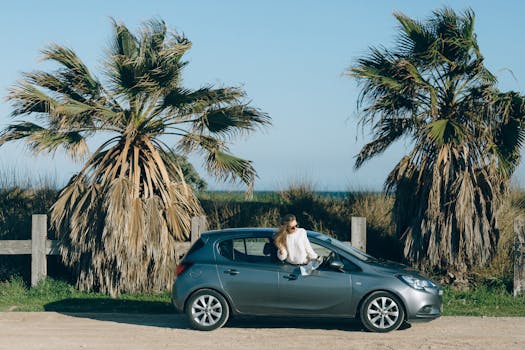 Photo: Nataliya Vaitkevich / Pexels
Choosing Your Ideal Vehicle and Securing the Best Deals
 Photo: Eu Aragoneses / Pexels
Understanding Car Rental Insurance and Navigating Spanish Roads
 Photo: Jan van der Wolf / Pexels
Essential Tips for a Smooth Rental Experience & Avoiding Common Pitfalls
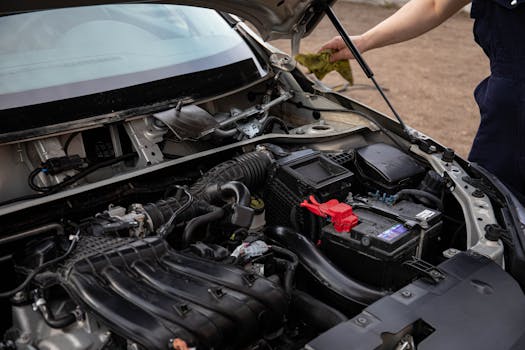 Photo: Sergey Meshkov / Pexels
Comparison
| Feature | Best Option | Alternative 1 | Alternative 2 |
|---|---|---|---|
| Driving License | EU License / IDP + National License | National License (Non-EU, short stay) | Digital copy only |
| Minimum Age | 25+ (Avoids surcharges) | 21-24 (Young driver surcharge) | Under 21 (Often not permitted) |
| Payment for Deposit | Credit Card (Main Driver's Name) | Debit Card (Rarely accepted) | Cash (Never accepted) |
| Insurance | Full Protection (Zero Excess) | Basic CDW (High Excess) | Third-Party Excess Reimbursement |
| Fuel Policy | Full to Full | Full to Empty (Prepaid) | Same to Same (Less common) |
| Booking Time | 2-3 Months in Advance (Peak) | 1 Month in Advance | Last Minute (Higher prices) |
What Readers Say
"Renting a car in Spain was surprisingly straightforward thanks to this guide. I made sure to get my IDP and book an automatic well in advance, which saved me a lot of hassle at the airport. The tip about photographing the car before leaving was invaluable."
Maria G. · Madrid, Spain"I followed the advice on checking the fuel policy and went with 'full-to-full.' It was much cheaper than the prepaid option. The driving in Spain was a breeze once I got used to the roundabouts, and parking apps helped a lot in cities."
David L. · London, UK"As a first-time renter in Spain, I was nervous, but this guide covered everything. I booked a small car for city driving and it was perfect. The clear explanation of insurance options helped me choose the right coverage without overpaying."
Sophie K. · Berlin, Germany"The information on age requirements and credit cards was spot on. I appreciated the emphasis on checking for existing damage, though my rental company was very efficient. Just wish there were more automatic cars available in my budget range."
Carlos R. · Barcelona, Spain"This guide made planning our family road trip through Andalusia so much easier. We rented an SUV, got the IDPs, and bought independent excess insurance. Everything went smoothly, and we had an incredible time exploring the Spanish countryside."
Emily Chen · New York, USAFrequently Asked Questions
Do I need an International Driving Permit (IDP) to rent a car in Spain?
Yes, if your national driving license is not issued by an EU/EEA country, an International Driving Permit (IDP) is legally required in Spain. You must carry both your IDP and your original national license at all times when driving. Obtain your IDP from your home country's automotive association before traveling.
What is the minimum age to rent a car in Spain?
The minimum age to rent a car in Spain is typically 21 years old. However, most rental companies apply a 'young driver' surcharge for renters under 25, and some premium vehicle categories may have a minimum age of 23 or 25. Always check the specific rental company's policy.
How do I choose the right car rental insurance in Spain?
Most rentals include basic Third-Party Liability and a Collision Damage Waiver (CDW) with an excess. You can opt for 'Super CDW' from the rental company for zero excess (more expensive) or purchase independent excess reimbursement insurance (often cheaper). Check if your credit card offers rental car insurance benefits.
How much does it cost to rent a car in Spain?
Car rental prices in Spain vary widely based on vehicle type, rental duration, season, and how far in advance you book. A compact car can range from €20-€50 per day in the low season, while peak season or larger vehicles can cost €50-€100+ per day, plus insurance, fuel, and potential surcharges.
Can I pay for my car rental deposit with a debit card in Spain?
Generally, no. Rental companies almost universally require a major credit card in the main driver's name to hold the security deposit. While you might be able to pay for the rental itself with a debit card, the deposit usually necessitates a credit card with sufficient available credit.
Who should rent a car in Spain?
Renting a car in Spain is ideal for travelers who want the freedom to explore beyond major cities, visit rural areas, or embark on a multi-destination road trip at their own pace. It's perfect for families, groups, or individuals seeking flexibility and access to less accessible attractions.
What should I do if I get a traffic fine with my rental car in Spain?
If you receive a traffic fine, the rental company will typically charge your credit card for the fine amount plus an administrative fee. It's best to pay fines promptly, as early payment often comes with a discount. Ensure you understand any charges before they are processed.
Are automatic transmission cars common or more expensive to rent in Spain?
Manual transmission cars are still very common and often cheaper in Spain. Automatic cars are available but might be less numerous, especially in economy categories, and can be more expensive. If you require an automatic, it's crucial to book well in advance and confirm your reservation specifically states 'automatic transmission'.
Ready to explore the breathtaking landscapes and vibrant culture of Spain on your own terms? By understanding these essential steps on how to rent a car in Spain, you're now equipped to book with confidence and embark on an unforgettable road trip. Start planning your Spanish adventure today and experience the freedom of the open road!