Essential Spain Road Trip Car Rental Advice
Spain car rental

Essential Spain Road Trip Car Rental Advice

Navigate Spain's stunning landscapes with confidence: your ultimate guide to hassle-free car rental and unforgettable road trips.

Plan Your Spanish Adventure

Key Takeaways

  • ✓ Booking in advance, especially during peak season, secures better rates and availability.
  • ✓ Comprehensive insurance (SCDW/CDW with zero excess) is highly recommended for peace of mind.
  • ✓ Manual transmission cars are standard; specify automatic if needed, often at a higher cost.
  • ✓ Familiarize yourself with Spanish traffic laws, speed limits, and parking regulations before you drive.

How It Works

1
Research & Book Your Vehicle

Compare prices from reputable rental companies like Sixt, Europcar, Avis, and local providers. Consider your itinerary and group size to choose the right car class.

2
Understand Insurance Options

Decipher the various insurance types – CDW, SCDW, TP, TPL – and decide if you need extra coverage. Many opt for full coverage for complete protection against unforeseen events.

3
Prepare Documentation & Pick-Up

Ensure you have your valid driver's license (and IDP if required), passport, and credit card ready. Thoroughly inspect the car for existing damage before driving off.

4
Hit the Road & Drive Smart

Familiarize yourself with Spanish road signs, tolls, and parking rules. Utilize GPS, stay alert, and enjoy the incredible freedom a rental car offers for exploring Spain.

Choosing the Right Car for Your Spanish Adventure

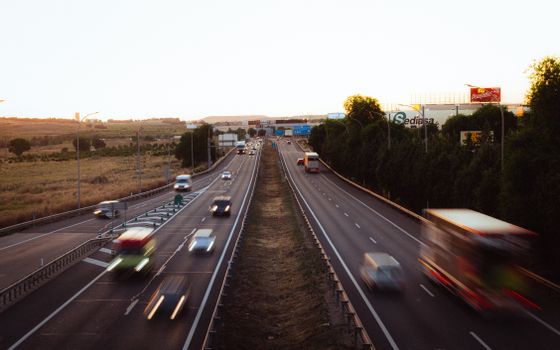
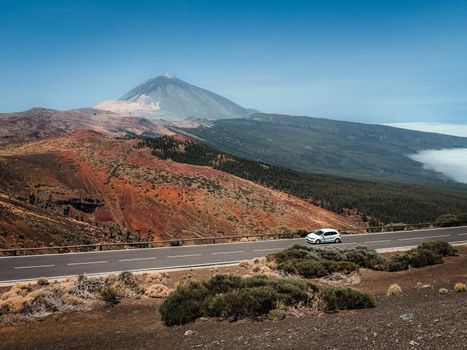
Embarking on a Spanish road trip promises unparalleled freedom and discovery, but the cornerstone of a successful journey lies in selecting the perfect rental car. Spain's diverse topography, from the narrow, winding streets of historic villages to the expansive, well-maintained highways connecting major cities, demands a thoughtful approach to vehicle choice. Firstly, consider the size of your travel party and the amount of luggage you'll be carrying. A compact car, like a Fiat 500 or a Renault Clio, is ideal for solo travelers or couples with minimal baggage, offering excellent fuel efficiency and ease of maneuverability in tight urban centers and parking spaces. However, if you're traveling with family or friends, or planning an extended trip requiring more luggage space, a mid-size sedan or a station wagon (familiar as an 'estate car' in Europe) will provide the necessary comfort and capacity. For those venturing into more rugged terrain, perhaps exploring the Pyrenees or rural Andalusia, an SUV might seem appealing, but remember that these vehicles often come with higher rental costs and fuel consumption. Moreover, many rental SUVs in Spain are 2WD, not 4WD, so don't assume off-road capability. Another critical factor is transmission type. Manual transmission cars are the standard in Spain and generally more affordable. If you're accustomed to driving an automatic, be sure to specifically request one during booking, as they are less common and often incur a premium. Failing to specify can lead to last-minute issues at the rental counter. Think about fuel efficiency; diesel cars are widely available and can be more economical for long distances, but ensure you know which fuel type your rental uses to avoid costly mistakes at the pump. Lastly, consider any specific features you might need, such as GPS (though smartphone apps are often sufficient), air conditioning (a must-have in Spain's hot summers), or child seats. Booking these extras in advance, especially during peak season, is always advisable. Don't forget to check the car's general condition, including tire pressure and fluid levels, before leaving the rental lot. This proactive approach ensures your chosen vehicle is truly fit for the Spanish roads ahead. For a deeper dive into vehicle types and their suitability, check out this guide on how to choose a rental car.

Navigating Insurance and Local Driving Regulations in Spain

Understanding car rental insurance in Spain can feel like deciphering a complex legal document, but it's a crucial step to protect yourself and your finances. The basic rental price typically includes Third Party Liability (TPL) and a Collision Damage Waiver (CDW) with an excess (deductible). TPL covers damage to other vehicles or property, while CDW covers damage to your rental car, but you're still liable for the excess amount. This excess can range from a few hundred to over a thousand euros. To eliminate this excess, you can purchase Super Collision Damage Waiver (SCDW) from the rental company, often referred to as 'full insurance' or 'zero excess' coverage. This is highly recommended for peace of mind, as even minor scrapes can be expensive to repair. Alternatively, many credit cards offer car rental insurance benefits, or you can purchase standalone third-party insurance from independent providers before your trip. Always check the specifics of what's covered – often, tires, windows, undercarriage, and lost keys are excluded from basic CDW and even some SCDW policies. Read the fine print carefully and compare options to ensure comprehensive coverage that suits your risk tolerance. Beyond insurance, familiarity with Spanish driving regulations is paramount. Driving is on the right-hand side, and seatbelts are mandatory for all occupants. Speed limits are generally 120 km/h on motorways (autopistas), 90-100 km/h on main roads, and 50 km/h in urban areas, though these can vary, so always observe signage. Spain has a zero-tolerance policy for driving under the influence of drugs, and the legal blood alcohol limit is significantly lower than in many other countries (0.5 g/L for experienced drivers, 0.3 g/L for new drivers). Fines are hefty. Mobile phone use while driving is strictly prohibited unless using a hands-free system. You must carry your valid driver's license (an International Driving Permit is legally required for non-EU/EEA drivers, though often not requested by rental companies, it's safer to have one), passport, and rental documents at all times. Spanish roads also feature many roundabouts; remember to yield to traffic already in the roundabout. Parking can be challenging in cities; look for blue zones (paid parking) or green zones (residents only, often with limited visitor parking). Familiarize yourself with the 'Hora' (blue zone ticket machines) or parking apps. Lastly, be aware of Zonas de Bajas Emisiones (Low Emission Zones) in major cities like Madrid and Barcelona, which restrict access for certain vehicles. Your rental car should comply, but it's worth double-checking.

Budgeting for Your Rental Car and Avoiding Hidden Costs

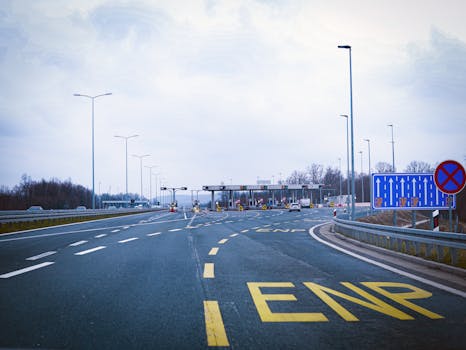
Budgeting effectively for your Spain road trip car rental involves more than just the daily rate; it requires foresight to anticipate and avoid common hidden costs. The advertised daily rate can be deceiving, as numerous additional charges can quickly inflate the final price. One of the most significant potential add-ons is insurance. While basic CDW is usually included, the excess waiver (SCDW) can add a substantial amount per day. As discussed, consider third-party options or credit card coverage, but always confirm the extent of coverage and any exclusions. Fuel policies are another critical area. The 'full-to-full' policy is generally the most economical, where you pick up the car with a full tank and return it full. Avoid 'full-to-empty' policies, where you pay for a full tank upfront and are encouraged to return it empty, as the per-liter price charged by rental companies is often inflated, and you rarely use every drop. Tolls are prevalent on Spain's motorways, especially the faster, less congested 'AP' (Autopista de Peaje) routes. These can add up, particularly on long journeys. Budget for these expenses, either with cash, credit card, or by inquiring about electronic toll passes (Via-T devices) from your rental company, which offer convenience but may incur a daily rental fee. Another common charge is for additional drivers. If multiple people will be driving, expect to pay a daily fee per extra driver. Age restrictions also apply; drivers under 25 (sometimes 21) often face a 'young driver surcharge,' and some companies have an upper age limit. Consider the pick-up and drop-off locations and times. Airport rentals often include an 'airport surcharge,' and picking up or dropping off outside of standard business hours can incur an 'out-of-hours' fee. One-way rentals, where you pick up in one city and drop off in another, are convenient but almost always come with a 'one-way fee' that can be significant. Always inspect the car thoroughly for any existing damage before driving off and take photos or videos as proof. This can save you from being charged for pre-existing dents or scratches upon return. Similarly, ensure the car is returned clean, as excessive dirtiness might result in a cleaning fee. By meticulously reviewing your rental agreement and asking questions about all potential charges, you can prevent unpleasant surprises and keep your Spain road trip budget in check. For more insights on financial planning, explore our article on budgeting for your European road trip.

Essential Tips for a Smooth Spain Road Trip Car Rental Experience

A well-planned car rental experience can elevate your Spain road trip from good to unforgettable. Here are some essential tips to ensure everything runs smoothly: * **Book Early, Especially Peak Season:** Demand for rental cars, particularly automatics or larger vehicles, spikes during summer, Easter, and national holidays. Booking several months in advance can secure better rates and ensure availability. Last-minute bookings often mean higher prices and limited choices. * **Understand Fuel Policies:** Opt for a 'full-to-full' fuel policy whenever possible. This is the fairest and most transparent option. Avoid 'full-to-empty' policies, which often involve inflated fuel costs and no refund for unused fuel. * **Inspect the Vehicle Thoroughly:** Before driving away, meticulously inspect the car's exterior and interior. Document any existing scratches, dents, or damage with photos or video, and ensure they are noted on your rental agreement. This protects you from being charged for pre-existing issues upon return. * **Carry an International Driving Permit (IDP):** If you're from a non-EU/EEA country, an IDP is legally required in Spain, even if your local license is in English. While rental companies might not always ask for it, the police might during a stop. It's inexpensive and easy to obtain before your trip. * **Familiarize Yourself with Spanish Road Signs:** While many signs are international, some are specific to Spain. Knowing what 'Prohibido aparcar' (No parking) or 'Peligro' (Danger) means can save you from fines or accidents. A quick online search for common Spanish road signs is a good idea. * **Be Aware of Toll Roads:** Spain has both free 'A' roads (autovías) and paid 'AP' roads (autopistas de peaje). AP roads are generally faster and less congested. Plan your route to decide if the time saved is worth the toll cost. Keep small bills or a credit card handy for manual toll booths, or inquire about electronic passes. * **Use GPS Navigation:** A reliable GPS (either built-in, a dedicated device, or a smartphone app like Google Maps or Waze) is indispensable. Download offline maps before you go, especially if venturing into rural areas with spotty signal. * **Parking in Cities:** Parking can be a challenge and expensive in Spanish cities. Look for underground parking garages (often marked with a blue 'P' sign) or blue zones (zona azul) for paid street parking. Avoid green zones unless you are a resident. Consider parking on the outskirts and using public transport for city exploration. * **Don't Leave Valuables in Plain Sight:** Like anywhere, it's wise not to leave bags, electronics, or other tempting items visible in your parked car. Always lock the doors and keep your belongings secure. * **Know Emergency Numbers:** The general emergency number in Spain is 112. It connects you to police, fire, and ambulance services. Keep your rental company's roadside assistance number handy as well. Following these tips will significantly enhance your Spain road trip car rental experience, allowing you to focus on the breathtaking scenery and cultural immersion.

Comparison

FeatureBest OptionAlternative 1Alternative 2
Car SizeCompact (city/couple)Mid-size (family/space)Van (large group)
TransmissionManual (cheaper, common)Automatic (convenience, premium)Electric (eco-friendly, charging)
Fuel PolicyFull-to-Full (fair)Pre-purchase (avoid)Half-to-Half (rare)
InsuranceSCDW / Zero Excess (peace of mind)Credit Card Coverage (check terms)Third-Party Provider (often cheaper)
Tolls✓ (Cash/Card/Via-T)✗ (Avoid 'AP' roads)✓ (Pre-paid pass)

What Readers Say

"Following this advice, we rented a compact car for our Andalusian road trip, and it was perfect for navigating the narrow streets of Seville and Granada. The tips on insurance saved us a lot of stress!"

Maria P. · Barcelona, Spain

"The guide on hidden costs was incredibly useful. We chose a full-to-full fuel policy and avoided all those sneaky extras. Our trip from Madrid to Valencia was smooth and budget-friendly."

David L. · London, UK

"Getting an IDP as advised was a lifesaver! We were stopped by local police in a rural area, and having all our documents in order made the interaction quick and hassle-free. Highly recommend this advice."

Sophia R. · New York, USA

"The advice on booking early was spot on. We secured an automatic for our trip through northern Spain, though it was a bit pricier than anticipated. Still, the convenience was worth it for the winding mountain roads."

Carlos G. · Lisbon, Portugal

"We used the tips for inspecting the car and taking photos. When the rental company tried to charge us for a minor scratch, our documentation proved it was pre-existing. Saved us a good amount of money!"

Emily H. · Sydney, Australia

Frequently Asked Questions

Do I need an International Driving Permit (IDP) to rent a car in Spain?

Yes, if your driver's license was issued outside the EU/EEA, an International Driving Permit (IDP) is legally required in Spain. While some rental agencies might not ask for it, Spanish traffic law mandates it for non-EU/EEA drivers. It translates your domestic license into multiple languages and should always be carried alongside your original license.

Is car rental insurance expensive in Spain, and what do I need?

Car rental insurance can be a significant cost, but it's essential. Basic Collision Damage Waiver (CDW) with an excess is usually included. For peace of mind, many opt for Super CDW (SCDW) or zero-excess coverage, which eliminates your liability. Compare options from the rental company, your credit card benefits, or third-party insurers before your trip to find the best value.

How do I avoid hidden fees when renting a car in Spain?

To avoid hidden fees, always read the rental agreement thoroughly. Opt for a 'full-to-full' fuel policy, clarify all insurance options, inquire about additional driver fees, and be aware of one-way rental charges or out-of-hours pick-up/drop-off fees. Inspect the car meticulously for pre-existing damage and document it before leaving the lot.

Is it better to rent an automatic or manual car for a Spain road trip?

Manual transmission cars are more common and generally cheaper in Spain. If you are comfortable driving a manual, it will offer more options and potentially better rates. However, if you prefer or only drive automatics, make sure to book well in advance and be prepared for a higher rental cost, as they are less prevalent.

Are there many toll roads in Spain, and how do I pay for them?

Yes, Spain has a network of toll roads (Autopistas de Peaje, marked 'AP') that offer faster travel. You can pay for tolls with cash or credit card at the booths, or you can inquire about renting an electronic toll pass (Via-T device) from your rental company. This provides convenience but may incur a daily rental fee.

Who should consider car rental for a Spain road trip?

Anyone looking for flexibility, spontaneity, and the ability to explore off-the-beaten-path destinations should consider car rental for a Spain road trip. It's ideal for travelers wanting to visit multiple regions, explore national parks, or enjoy the freedom of creating their own itinerary, rather than relying solely on public transport.

What happens if I get a parking ticket or speeding fine in a rental car in Spain?

If you incur a parking ticket or speeding fine, the rental company will typically receive the notification. They will then charge your credit card for the fine amount, often adding an administrative fee for processing it. It's crucial to address any fines promptly to avoid further penalties or issues. Always adhere to local traffic and parking regulations.

What's the future trend for electric car rentals in Spain?

The trend for electric car rentals in Spain is growing, particularly in major cities, aligning with Spain's push for sustainable tourism and urban low-emission zones. While charging infrastructure is still developing outside of major hubs, more rental companies are adding EVs to their fleets. Expect more options and improved charging networks in the coming years, making electric rentals a viable choice for future road trips.

Armed with this comprehensive Spain road trip car rental advice, you're now ready to confidently plan your journey. From selecting the perfect vehicle to navigating insurance and local regulations, a seamless and unforgettable Spanish adventure awaits. Start planning your route and book your ideal rental car today!

Topics: Spain car rentalroad trip Spaindriving in Spaincar hire SpainSpain travel tips
Leo List
Brampton weed
Adultwork EstrelaBet Vai de Bet R7 Bet Betão Galera Bet Rainbet Bet9ja Shop SportyBet BetKing Sisal Loto Foot Hollywoodbets YesPlay Odibets RushBet Jugabet BetWarrior BetCity MSport betPawa Fortebet