What to Know Before Renting a Car in Spain: Your Essential Guide
car rental Spain

What to Know Before Renting a Car in Spain: Your Essential Guide

Navigate the roads of Spain with confidence by understanding key rental requirements, insurance, and local driving laws.

Plan Your Trip

Key Takeaways

  • ✓ Minimum age for rental is often 21, sometimes 25 for certain car classes.
  • ✓ An International Driving Permit (IDP) is recommended, though not always legally required for non-EU drivers.
  • ✓ Comprehensive insurance (CDW/LDW) is highly advisable, often with high deductibles.
  • ✓ Automatic cars are less common and usually more expensive than manual transmissions.

How It Works

1
Research & Book Early

Compare prices from major rental agencies and local providers well in advance, especially during peak season. Booking early secures better rates and vehicle availability.

2
Understand Insurance Options

Familiarize yourself with Collision Damage Waiver (CDW), Theft Protection (TP), and consider additional coverage. Be aware of high deductibles and explore third-party insurance.

3
Prepare Documentation

Ensure you have a valid driver's license, passport, credit card in the main driver's name, and potentially an International Driving Permit (IDP). Check specific requirements for your nationality.

4
Inspect & Document Vehicle

Before driving off, thoroughly inspect the car for existing damage, inside and out. Take photos or videos as proof to avoid disputes upon return.

Navigating Rental Requirements and Documentation in Spain

Luxury cars lined up at an outdoor dealership, showcasing sleek designs. Photo: Pixabay / Pexels
Embarking on a Spanish road trip promises unparalleled freedom, but a smooth journey begins long before you hit the open road. Understanding the fundamental rental requirements and necessary documentation is paramount to avoid unwelcome surprises and ensure a hassle-free experience. First and foremost, age restrictions are a critical factor. Most car rental companies in Spain require drivers to be at least 21 years old. However, for certain vehicle categories or luxury models, this minimum age can increase to 25. Furthermore, drivers under 25 (sometimes even up to 30) may be subject to a 'young driver' surcharge, an additional daily fee that can significantly impact your overall cost. Always confirm these age policies directly with the rental agency before booking. Your driver's license is, of course, essential. If you hold a driver's license issued by an EU member state, you're good to go. For non-EU citizens, the situation is slightly more nuanced. While many rental companies and Spanish law technically accept a valid national driver's license from certain countries (like the US, Canada, Australia, and the UK) for short-term visits, an International Driving Permit (IDP) is highly recommended. The IDP serves as an official translation of your national license and can prevent potential misunderstandings with local authorities, especially in the event of a traffic stop or accident. It's inexpensive and easy to obtain in your home country before you travel. Always carry your original national license alongside your IDP. Beyond your license, you'll need a valid passport or national ID card for identification purposes. Crucially, a credit card in the main driver's name is universally required. This credit card will be used to hold a security deposit, which can range from a few hundred to over a thousand euros, depending on the vehicle and rental company. Debit cards are generally not accepted for security deposits, even if they can be used for the initial payment. Ensure your credit card has sufficient available credit to cover this deposit. Some companies might offer an option to reduce the deposit by purchasing their full insurance package, but this often comes at a premium. Preparing these documents in advance will streamline your pick-up process and set the stage for an enjoyable drive through Spain. For more general advice on car rental, check out this guide on how car rental works.

Demystifying Car Rental Insurance in Spain
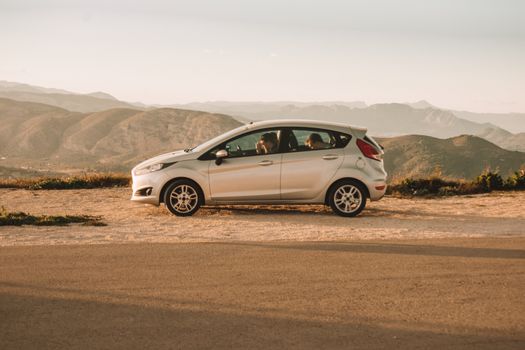
A parked car beside a road with stunning mountainous backdrop in Spain, capturing a serene and picturesque road trip moment. Photo: Bert Christiaens / Pexels
One of the most complex and often misunderstood aspects of renting a car, particularly in a foreign country like Spain, is insurance. It's not just about protecting yourself; it's about understanding the varying levels of coverage, potential liabilities, and how to avoid costly surprises. When you book a rental car in Spain, the base price typically includes a mandatory level of third-party liability insurance (TPL), which covers damage to other vehicles or property and injuries to third parties. This is legally required and provides basic protection. However, the crucial piece often missing from the basic package is coverage for damage to your rental car. This is where Collision Damage Waiver (CDW) or Loss Damage Waiver (LDW) comes into play. CDW/LDW limits your financial liability for damage to the rental vehicle, but it almost always comes with an excess or deductible. This deductible can be substantial, often ranging from €500 to €2,000. If your rental car incurs damage, you are responsible for this excess amount. Many rental companies will aggressively try to sell you their 'super CDW' or 'full protection' packages at the counter. These packages typically reduce or completely waive the deductible, offering peace of mind but at a significant daily cost, sometimes doubling the initial rental price. Before succumbing to high-pressure sales tactics at the counter, explore your other options. Many personal car insurance policies, travel insurance plans, or credit cards offer rental car insurance benefits. It's imperative to check the specifics of your existing policies before you travel, paying close attention to geographical coverage (does it cover Spain?), deductible amounts, and what types of damage or vehicles are excluded. If your credit card offers primary or secondary coverage, understand its limitations. Sometimes, credit card insurance only covers CDW and not theft protection (TP), which is another common add-on for rental cars. Alternatively, consider purchasing a standalone, third-party excess insurance policy from an independent provider before your trip. These policies are often significantly cheaper than the rental company's offerings and provide comprehensive coverage for the deductible on CDW/LDW and often include theft protection, tire and window damage, and undercarriage damage – items frequently excluded by the rental company's basic CDW. While you still pay the deductible to the rental company in case of damage, you then claim that amount back from your third-party insurer. This approach requires more upfront research but can lead to substantial savings and superior coverage. Always read the fine print of any insurance policy to understand what is covered, what is excluded, and the claims process.

Understanding Spanish Driving Laws and Road Etiquette

Beautiful Mediterranean style house in Mallorca with lush greenery and street signs under a bright sky. Photo: Burkay Canatar / Pexels
Driving in Spain offers an incredible way to experience its diverse landscapes, from coastal roads to mountain passes. However, to ensure a safe and enjoyable journey, it's vital to be aware of local driving laws and common road etiquette. Firstly, Spain drives on the right-hand side of the road, and overtaking is done on the left. Seatbelts are mandatory for all occupants, front and rear. Children under 12 or shorter than 135cm must use an appropriate child seat or booster in the rear of the vehicle, unless the front passenger airbag is deactivated and they are in a rear-facing seat. Always ensure your rental car comes with the correct child seat if you're traveling with young children. Speed limits are strictly enforced, often by speed cameras and unmarked vehicles. On motorways (autopistas), the limit is generally 120 km/h (75 mph). On dual carriageways (autovías), it's 100 km/h (62 mph). On single-carriageway roads outside built-up areas, it's 90 km/h (56 mph), and in urban areas, it's typically 50 km/h (31 mph), often dropping to 30 km/h (19 mph) or even 20 km/h (12 mph) in residential zones or areas with heavy pedestrian traffic. Pay close attention to signage, as limits can change frequently. Fines for speeding can be substantial. Alcohol limits are lower than in many other countries. The legal limit is 0.5 mg/ml of alcohol in your blood (0.25 mg/ml for new drivers or those with less than two years' experience). It's best to avoid alcohol entirely if you plan to drive. Mobile phone use while driving is strictly prohibited unless using a hands-free system; even holding your phone can result in a hefty fine. Headlights must be used in tunnels and in conditions of poor visibility. Road signs in Spain generally follow international conventions, but it's worth familiarizing yourself with some common ones, especially those indicating 'no parking' (E-9), 'no stopping' (E-10), and 'private property' (Prohibido el Paso). Parking in Spanish cities can be challenging. Look for blue zones (zona azul) which are paid parking, or green zones (zona verde) which are often for residents. Always check parking signs carefully to avoid fines or towing. Many cities also have restricted access zones (Zonas de Bajas Emisiones - ZBE) where only certain vehicles are allowed, often identified by environmental stickers. Ensure your rental car has the appropriate sticker if driving into major city centers like Madrid or Barcelona. Understanding these rules is crucial, and for broader travel planning, consider exploring other travel resources.

Practical Tips and Common Mistakes to Avoid When Renting a Car in Spain
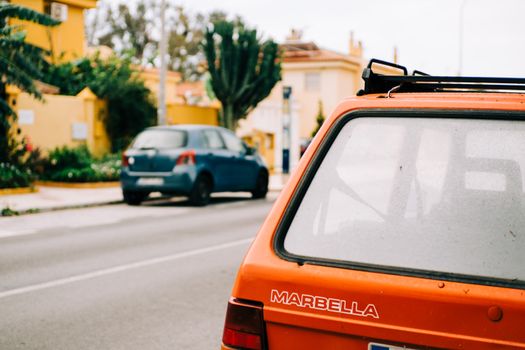
Vintage car with visible trunk lid on a sunny street in Málaga, Spain. Photo: Adrianna CA / Pexels
Renting a car in Spain can be incredibly rewarding, but a few practical tips and an awareness of common pitfalls can save you time, money, and stress. Here’s what to keep in mind: * **Fuel Policy:** Always understand the fuel policy. The most common and usually best option is 'full-to-full,' where you pick up the car with a full tank and return it full. Avoid 'full-to-empty' policies, where you pay for a full tank upfront and are expected to return it empty, as the per-liter price is often inflated, and you rarely use all the fuel. * **Automatic vs. Manual:** Manual transmission cars are far more prevalent and cheaper in Spain. If you can only drive an automatic, book well in advance, as they are in limited supply and command a higher price. * **GPS/Navigation:** While many rental cars offer built-in GPS for an extra daily fee, it's often more cost-effective to use your smartphone with Google Maps, Waze, or a downloaded offline map. Ensure you have a data plan or download maps before you go. * **Toll Roads:** Spain has both toll roads (autopistas, marked with 'AP' or a green sign) and free motorways (autovías, marked with 'A' or a blue sign). Toll roads are faster and less congested. You can pay tolls with cash or credit card at the booths, or some cars may have an electronic 'Via-T' transponder. Clarify this with your rental company. * **Picking Up & Returning:** Allow ample time for pick-up and return, especially at busy airport locations. Document the car's condition thoroughly with photos/videos before driving off. When returning, ensure you get a final inspection report signed by an agent confirming no new damage. Keep all rental documents until you've received your final bill and the security deposit has been released. * **Hidden Fees:** Watch out for common extra charges like 'young driver' fees, 'additional driver' fees, out-of-hours pick-up/drop-off charges, or cross-border fees if you plan to drive into Portugal or France. * **Parking Fines:** Spanish traffic wardens are efficient. Avoid parking illegally, even for a few minutes, as fines are common and can be passed on to you by the rental company with an additional administration fee. * **Breakdowns:** Understand the rental company's breakdown assistance policy and contact numbers. Store them in your phone. By being proactive and informed about these aspects, you can significantly enhance your car rental experience in Spain and focus on enjoying the beautiful scenery and vibrant culture.

Comparison

FeatureRental Company InsuranceThird-Party Excess InsuranceCredit Card Insurance (Check Policy)
CostHigh daily feeLower one-off feeOften 'free' (included with card)
Deductible CoverageReduces/waives deductibleCovers deductible reimbursementVaries, often covers CDW
Theft ProtectionOften included in full packageUsually includedVaries, less common
Tires/Windows/UndercarriageOften excluded from basic CDWOften includedRarely included
ConvenienceImmediate peace of mindClaims process requiredClaims process required
Peace of mind

What Readers Say

"Before renting a car in Spain, I learned about the IDP requirement, which saved me a lot of hassle at the counter. The guide also helped me pick the right insurance, avoiding expensive upsells."

Maria Rodriguez · Madrid, Spain

"This article was a lifesaver! Knowing about the 'full-to-full' fuel policy and comparing insurance options beforehand meant I didn't get ripped off. My trip through Andalusia was smooth."

David Chen · San Francisco, CA

"Thanks to this guide, I booked an automatic car early and understood the parking rules in Barcelona. I avoided fines and had a fantastic, stress-free driving experience in Spain."

Sophie Dubois · Paris, France

"Very comprehensive, especially on the insurance part. I still found the young driver surcharge a bit steep, but at least I knew to expect it and budgeted accordingly."

Liam Gallagher · Manchester, UK

"As a non-EU driver, the advice on the International Driving Permit was crucial. I got one, and it made the pick-up process effortless, giving me confidence on Spanish roads."

Elena Petrova · Moscow, Russia

Frequently Asked Questions

Do I need an International Driving Permit (IDP) to rent a car in Spain?

While not always legally required for short visits for certain nationalities (e.g., US, Canada, UK citizens), an IDP is highly recommended. It serves as an official translation of your driver's license and can prevent misunderstandings with rental agencies or local police, ensuring a smoother experience.

What is the minimum age to rent a car in Spain?

The standard minimum age is 21 years old. However, for certain vehicle categories, it can be 25. Drivers under 25 (and sometimes up to 30) are typically subject to a 'young driver' surcharge. Always confirm age requirements with your specific rental company.

How do I avoid hidden fees when renting a car in Spain?

To avoid hidden fees, book your rental well in advance, compare prices from multiple providers, and read the rental agreement's fine print carefully. Pay close attention to fuel policies (opt for full-to-full), additional driver charges, young driver fees, and be wary of unnecessary upsells for insurance or GPS at the counter.

Is it worth getting the rental company's full insurance in Spain?

The rental company's full insurance (often called 'Super CDW' or 'Full Protection') can be expensive but offers peace of mind by reducing or eliminating your deductible. However, it's often more cost-effective to rely on existing credit card coverage (if applicable) or purchase a standalone, third-party excess insurance policy before your trip, which can cover the deductible at a lower price.

Can I use a debit card to rent a car in Spain?

While some rental companies may accept a debit card for the initial payment, a major credit card in the main driver's name is almost always required to hold the security deposit. Debit cards are generally not accepted for the deposit, so ensure you have a credit card with sufficient available credit.

Who should use this guide on what to know before renting a car in Spain?

This guide is essential for anyone planning to rent a car in Spain, whether you're a first-time renter, a seasoned traveler, or someone looking to avoid common pitfalls. It's particularly useful for international visitors who may not be familiar with Spanish driving laws and rental practices.

What should I do if I have an accident or breakdown in Spain?

In case of an accident, ensure everyone's safety, exchange details with other parties, and contact the police (112) if there are injuries or significant damage. For breakdowns or any car issue, immediately contact the rental company's roadside assistance number, which should be provided in your rental agreement or on the key fob.

What are the common driving rules differences in Spain compared to other countries?

Key differences include driving on the right, strict speed limits (especially in urban areas), lower blood alcohol limits, mandatory use of headlights in tunnels, and specific rules for child seats. Parking can also be complex in cities, with distinct blue (paid) and green (resident) zones, and increasing low emission zones (ZBEs).

Armed with this comprehensive knowledge, you're now fully prepared for what to know before renting a car in Spain. Book your vehicle with confidence, navigate the roads like a local, and create unforgettable memories on your Spanish adventure. Drive smart, drive safe, and enjoy every moment!

Topics: car rental Spainrenting a car in Spain tipsSpain car hire guidedriving in Spaincar insurance Spain
Leo List

DK Escorts LU Escorts AT Escorts SE Escorts FI Escorts CH Escorts DE Escorts HR Escorts IE Escorts GR Escorts CZ Escorts NO Escorts BE Escorts FR Escorts SI Escorts IL Escorts NL Escorts PL Escorts HU Escorts ES Escorts IT Escorts PT Escorts SK Escorts RO Escorts ZA Escorts UY Escorts US Escorts UK Escorts NZ Escorts AU Escorts
Brampton weed
Adultwork EstrelaBet Vai de Bet R7 Bet Betão Galera Bet Rainbet Bet9ja Shop SportyBet BetKing Sisal Loto Foot Hollywoodbets YesPlay Odibets RushBet Jugabet BetWarrior BetCity MSport betPawa Fortebet